

- New Roots
Hair Transplant Before and After: Real Results, Photos & What to Expect
Table of Contents
People who experience hair loss will lose confidence in their appearance and their ability to feel good about themselves. The development of contemporary medical technologies enables doctors to restore natural hair successfully.
The most effective method to evaluate this medical treatment’s success is through assessment of hair transplant results which compare hair transplant results before and after the procedure.
The visual comparisons show actual changes to help patients create their treatment expectations which they can achieve before they start their medical procedure.
The number of people in Bangladesh who seek hair restoration services is increasing rapidly because clinics introduce modern treatment methods which produce remarkable outcomes.
This guide will walk you through what to expect from a hair transplant, how to evaluate results, and what influences the outcome.
Why Before and After Pictures Matter
People who want to undergo hair transplants search for before and after images which show how effective the treatment works. The pictures show an exact difference between the state before treatment and the complete results which appear after the healing process.
They help in:
- People need to establish their expectations at realistic levels
- People need to comprehend the potential hair density and coverage they can achieve
- The process helps to assess the abilities of the surgeon
- The process allows for the assessment of various medical facilities
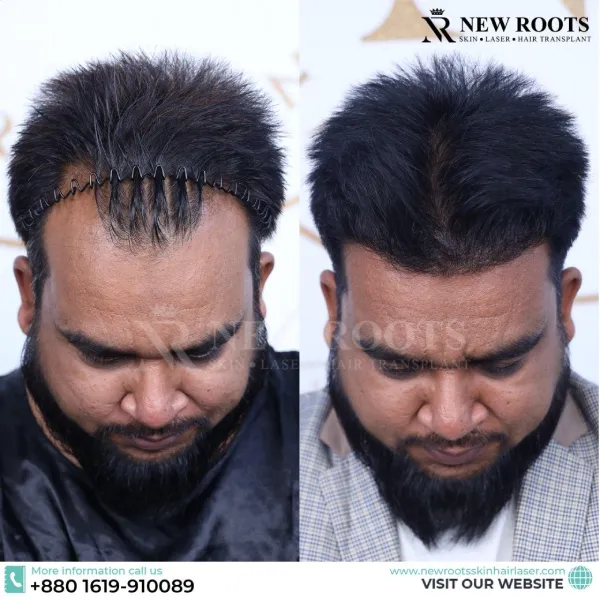
The results show different outcomes because they depend on the individual characteristics of each person. Although hair transplant pictures provide useful information about the procedure results their actual outcome depends on multiple personal characteristics.
What Do Hair Transplant Pictures Show?
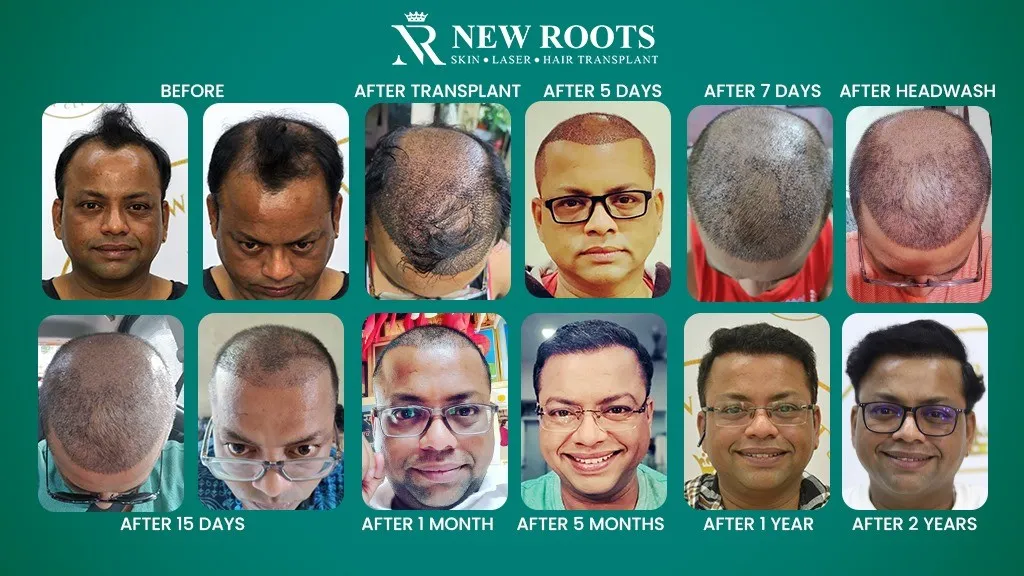
The timeline shows how hair restoration through the surgical method develops from its initial state to its final result. The process requires patient education to understand how their hair progresses from loss to complete regrowth.
The patients use these image analyses to establish their treatment timetable and process understanding.
1. Before the Procedure
This stage shows the original condition of the scalp which includes receding hairlines and bald patches and thinning areas. The assessment helps determine hair loss severity which requires treatment.
2. Immediately After Surgery
The pictures show newly implanted grafts together with facial redness and swelling and small scabs. The stage displays graft placement methods which explain the surgical procedure.
3. Mid-Recovery Stage
Pictures from this phase show shedding (shock loss) and early regrowth. The scalp begins to heal, and new hair starts emerging gradually.
4. Final Results
The stage shows complete hair development with greater hair density and a natural look which follows several months of growth. The transplant procedure achieved successful results.
Patients who examine various hair transplant before and after images will gain a comprehensive understanding of their surgical outcomes which will develop throughout their recovery.
Hair Transplant Before: What to Expect
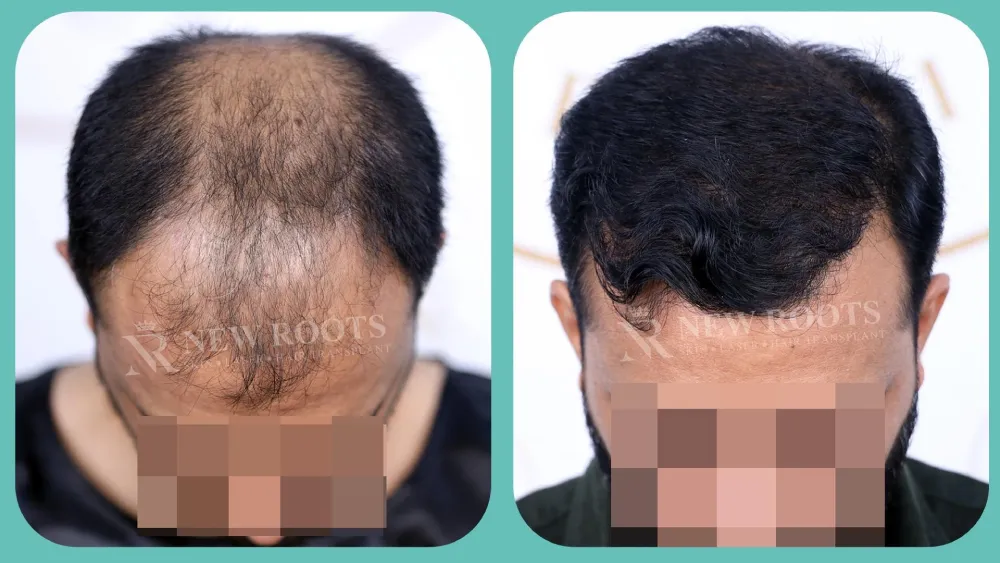
Patients exhibit visible hair loss symptoms before they proceed with their hair transplant procedure. The condition may manifest through three specific patterns which include receding hairlines and thinning crowns and patchy bald areas.
The following procedures take place during this stage:
- A specialist conducts an evaluation of the scalp condition.
- The professional conducts an assessment of the donor area’s strength.
- The medical team develops a customized treatment approach.
The initial stage of hair transplant photographs provides essential information which helps doctors assess the required number of grafts and the expected attainable results.
Hair Transplant After: Real Results Explained
The “after” phase is what most patients look forward to. The results take time before they become visible. The transformation happens gradually over several months.
Key Changes After Hair Transplant:
- Improved hairline shape
- Increased hair density
- Natural hair growth pattern
- Better overall appearance
Most hair transplant before and after pictures show final results after 9–12 months when hair has fully grown and matured.
Timeline of Before and After Results
The timeline needs to be understood as vital information which enables correct evaluation of hair transplant results. Hair restoration progresses through multiple stages which each demonstrate specific advancements.
The process requires your understanding of each stage because it helps you assess results with accurate evaluation while maintaining your ability to wait.
First Month
- Healing phase after the procedure
- Temporary shedding (shock loss) begins
- Scalp gradually returns to normal
2–3 Months
- Minimal visible hair growth
- Hair follicles enter a resting phase
- New growth begins beneath the surface
4–6 Months
- Noticeable hair growth starts
- Improved coverage in transplanted areas
- Hair becomes thicker gradually
9–12 Months
- Full results become visible
- Natural density and texture achieved
- Hair blends seamlessly with existing hair
The timeline demonstrates to viewers that they must exercise patience during the assessment process of hair transplant results because complete effects take time to show themselves.
Factors That Affect Before and After Results
The results from your hair transplant procedure show three different outcomes which stem from three specific hair transplant procedures. The results of your hair transplant procedure will show which factors determine your final outcome.
The factors you understand will help you set achievable results which lead to better outcomes.
1. Surgeon’s Expertise
A skilled surgeon establishes the natural hairline design while executing accurate graft placement. The final result depends on the skills and methods which the artist employs.
2. Number of Grafts
The use of additional grafts usually results in improved coverage but requires correct placement throughout the area. The placement of grafts determines both density and natural appearance because placement methods determine both appearance outcomes.
3. Hair Type
The visual density of hair depends on its three main characteristics which include thickness and curliness and color contrast. The appearance of fuller hair occurs with thicker or curly hair types compared to fine hair.
4. Donor Area Quality
A strong and dense donor area ensures healthier grafts and better long-term growth. Donor areas which lack strength will decrease the potential results.
5. Aftercare
The proper aftercare instructions must be followed because they protect the healing process and ensure the grafts survive. The final results of your project will be impacted by your decision to disregard the essential care steps.
The factors which you present here will identify what determines your hair transplant procedure success and what impacts your results.
Hair Transplant in Bangladesh: What Makes It Unique
In Bangladesh, hair transplant procedures have become more advanced and accessible. The clinics now provide modern hair restoration methods which include FUE and DHI to deliver results that look authentic.
Advantages in Bangladesh:
- The country offers low-priced medical services
- The country has qualified doctors who have gained extensive experience
- There are now more medical facilities that provide specialized services
- The facilities operate with advanced technological systems
The hair transplant success rates of Dhaka clinics use before and after images to demonstrate their results which showcase their exceptional capabilities.
Common Misconceptions About Before and After Pictures
The evaluation of hair transplant pictures requires proper assessment because the images can create false impressions. The understanding of common misconceptions enables you to interpret hair transplant before and after pictures correctly while preventing you from developing unrealistic expectations.
Misconception 1: Instant Results
The process of hair transplant results development requires several months to complete. The immediate post-surgery images do not show the final results because they need several months to show complete hair growth.
Misconception 2: Same Results for Everyone
Every person possesses distinct hair attributes together with unique scalp conditions and genetic makeup. The results show different outcomes for each person, which makes it impossible to directly compare results between individuals.
Misconception 3: Higher Grafts Always Mean Better Results
The number of grafts does not determine better results for a procedure. The correct position and angle together with the proper hair density matter more than the total number of hairs.
The understanding of these misconceptions enables you to assess hair transplant before and after images in a more accurate way, which helps you make better choices.
How to Evaluate Hair Transplant Pictures
The process of reviewing hair transplant results through photographic evidence requires assessment of both visible changes and actual hair restoration effectiveness.
The process of assessing images needs to be conducted through detailed examination because not all images show authentic results which will help you reach better conclusions
What to Check:
- Natural-Looking Hairline: The hairline should match facial structure and not appear too straight or artificial
- Even Density Across the Scalp: The hair distribution should create smooth coverage throughout the scalp without showing any bald spots or clumps of hair
- Proper Blending with Existing Hair: The transplanted hair should connect with existing natural hair to create a complete appearance
- Consistency in Lighting and Angles: The same lighting conditions and camera angles should be used to obtain photographs which will enable precise evaluation of the subject
High-quality results should look completely natural, not artificial. The evaluation process of these factors enables you to determine how effective the procedure actually is.
Benefits of Seeing Real Results
Patients need to see actual hair transplant results to understand how to best select their surgical procedure. Actual result visual evidence enables patients to see what will happen, which helps them understand the procedure better.
Through his analysis of various hair transplant before and after photographs, the patient gains a deeper understanding of how his appearance will change throughout his transition period.
Benefits Include:
- Better Understanding of the Procedure: Real images show each stage, from hair loss to full regrowth
- Reduced Anxiety Before Surgery: Seeing successful outcomes helps ease concerns and fear
- Clear Expectations of Outcomes: Patients gain a realistic idea of density, coverage, and timeline
- Increased Trust in the Clinic: Authentic results demonstrate the clinic’s expertise and reliability
Patients need to see before-and-after comparisons because these visual evidences establish their decision-making process which helps them choose their next steps with increased confidence and clarification.
Emotional Impact of Transformation
Hair restoration provides more than physical transformation because it creates strong emotional effects on individuals.
Before Hair Transplant:
- The individual experienced low confidence
- The person felt self-conscious
- The person avoided all social events
After Hair Transplant:
- The person experienced a boost in confidence
- The person achieved better self-image
- The individual developed improved abilities to connect with others
Many hair transplant before and after pictures show this transformation which changes both the way people look and their entire personality.
Tips for Achieving the Best Before and After Results
Your hair transplant outcome depends on your preparation work and your aftercare maintenance. Your hair transplant results depend on two factors which are the actual procedure and your ability to follow directions while maintaining realistic expectations.
- Choose a Qualified and Experienced Surgeon: The skilled professionals perform accurate graft placement which creates results that appear natural
- Maintain Realistic Expectations: The process requires time to complete because results depend on personal characteristics of each individual.
- Be Patient with the Process: The process of hair growth occurs through a slow progression which requires multiple months to show complete results.
You can achieve natural results which last for extended periods through these steps which enhance your outcomes.
Final Thoughts
Hair transplant before and after pictures are one of the most effective ways to understand the potential of hair restoration. The results demonstrate how the procedure changes both physical appearance and self-confidence throughout the recovery period.
In Bangladesh, advanced techniques and skilled professionals have created an accessible path for people to attain natural-looking results. However, it is important to remember that every individual’s journey is different.
Through process understanding and actual result evaluation you can establish realistic expectations which will lead to better decision making.
A hair transplant achieves transformative results through proper methods which extend beyond visual changes to restore self-assurance and enhance life quality.
Frequently Asked Questions (FAQs)
The hair transplant before and after pictures demonstrate how hair loss transforms into complete hair restoration. The results show better hairline growth, increased hair density, and improved overall look between the two time points.
The final results require a duration of 9 to 12 months for completion. The initial changes happen between 3 and 4 months, while full hair density and natural growth proceed through a gradual process.
The photos of hair transplants provide useful information, but their results differ from person to person. You must examine several cases while verifying that the photographs display actual patients who have not undergone extensive alterations.
Your results will not match the before and after pictures. The outcome depends on your hair type, the number of grafts, and the area of your donor site. The pictures provide an impression of results, but they do not serve as a guarantee.
The transplanted hair remains permanent because the hair follicles are extracted from body areas that remain immune to hair loss. The existing hair on the head will continue to lose thickness throughout the years.
Archives
- August 2026 (1)
- July 2026 (8)
- June 2026 (7)
- May 2026 (10)
- March 2023 (1)
- November 2022 (1)
- October 2022 (2)
- August 2022 (3)
- July 2022 (4)