

- New Roots
Is Hair Transplant Safe? Side Effects, Risks & Recovery Explained
Table of Contents
The condition of hair loss affects millions of people which results in their decreased confidence and self-worth. The ongoing advancements in modern cosmetic procedures have turned hair restoration into the most favored permanent treatment for people experiencing baldness and hair loss.
People who want to have the procedure done need to answer one main question before they proceed with the treatment: is hair transplant good or bad?
Every aspect of the procedure needs to be understood first before selecting a clinic and understanding the potential treatment dangers.
The contemporary hair transplant methods present a high safety level but patients must understand all possible hair transplant side effects and recovery timelines and operational challenges before making their choice.
The rising demand for hair transplant procedures in Bangladesh stems from three factors which include affordable pricing and advanced technological solutions and enhanced medical training.
This guide explains everything you need to know about safety, side effects, scars, recovery, and long-term expectations.
Understanding Hair Transplant Surgery
A hair transplant is a cosmetic surgical procedure that moves healthy hair follicles from a donor area to regions affected by hair loss. The donor area is usually the back or sides of the scalp because hair in these regions is genetically resistant to baldness.
The two most common methods are:
FUT (Follicular Unit Transplantation)
Surgeons extract hair follicles from a scalp strip which they have removed.
FUE (Follicular Unit Extraction)
Single hair follicles are taken from the donor site to be placed in areas of hair thinning.
Modern FUE procedures become less invasive while creating smaller scars than traditional methods.
Is Hair Transplant Safe?
Hair transplant procedures which modern medicine practices today achieve safe results when skilled practitioners work at established medical facilities. The development of modern surgical equipment and advanced treatment methods have decreased operation risks to a greater extent than before.
The process of hair transplantation which doctors perform as a surgical method presents patients with various medical dangers.
Patients who understand the potential side effects of hair transplant procedures can use this information to prepare for their recovery process.
Most complications which arise during medical procedures result in temporary minor issues that doctors can easily resolve when they conduct the operation correctly.
Common Hair Transplant Side Effects
The procedure produces temporary side effects which remain mild and treatable after surgeons execute their work properly. The surgical effects appear during the initial days and weeks after the operation because they represent a standard part of healing.
Patients who understand these elements will maintain readiness for their recovery process which helps them keep their worries under control.
1. Swelling
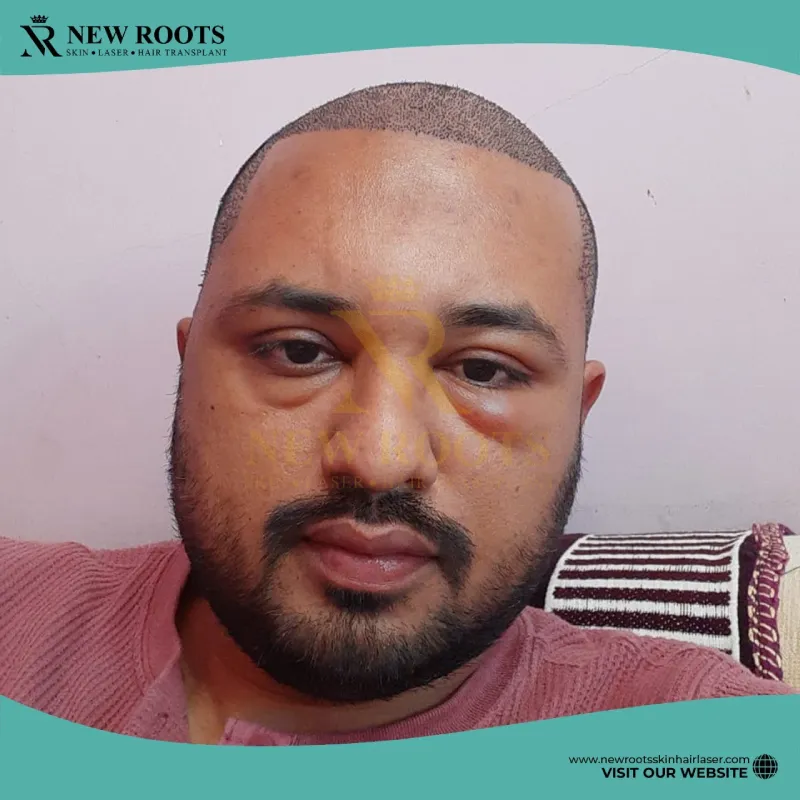
Surgery causes patients to experience swelling that affects their forehead and scalp and eye areas. The swelling shows up within the initial two days and it begins to fade away through proper sleep and medication use.
2. Redness
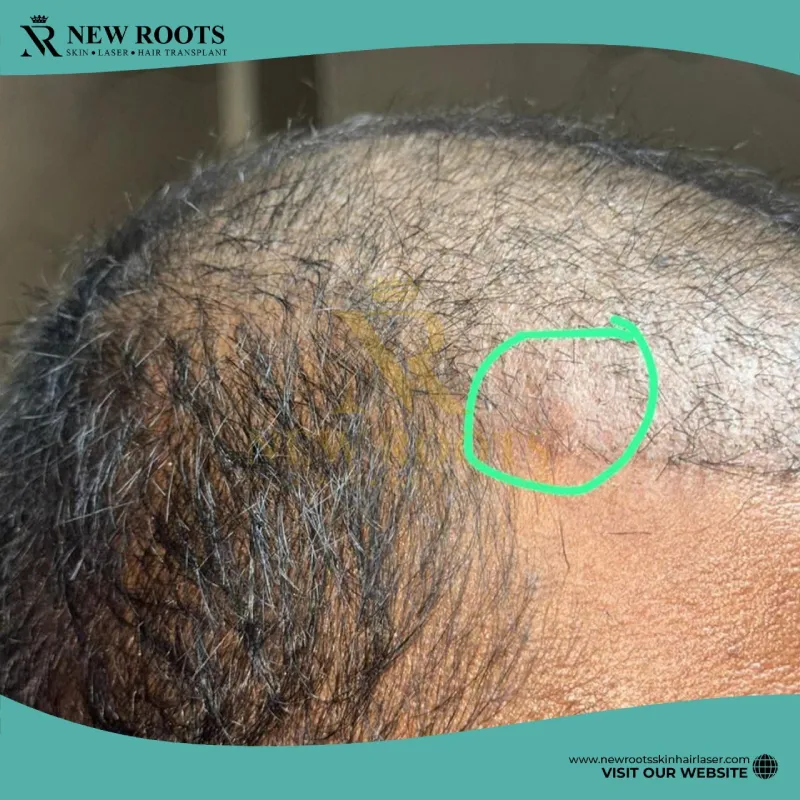
After the graft implantation procedure the scalp maintains a state of redness that produces irritation and sensitivity. The scalp healing process leads to this response which will resolve itself as the scalp undergoes recovery.
3. Scabbing
Transplanted follicles develop small scabs which form around their boundaries. The scabs serve to protect the healing area until they typically drop off between one to two weeks. Patients should avoid scratching or picking at them.
4. Mild Pain or Discomfort
The donor area produces mild soreness and tightness which some patients experience as their main symptom. Doctors prescribe medication to patients which will help them control their temporary discomfort.
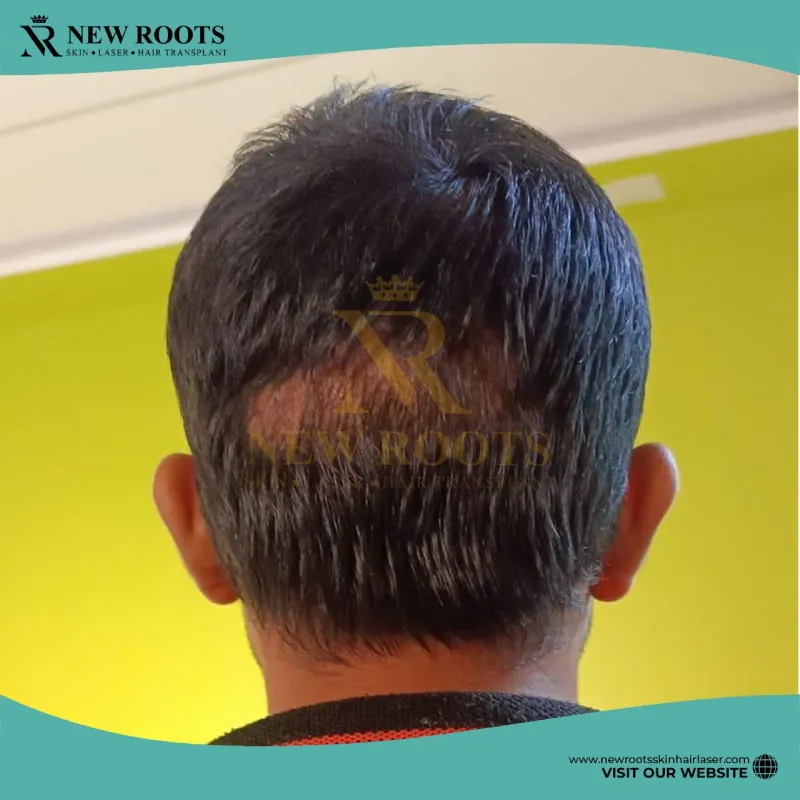
5. Temporary Hair Shedding
Shock loss is one of the most common hair transplant side effects. Transplanted hairs may temporarily fall out before new growth begins several months later.
These side effects are normal and generally resolve without causing long-term problems or permanent damage.
Hair Transplant Scar: What You Should Know
People become anxious about hair transplant procedures because they fear their scars will remain visible after surgery. The scarring appearance and type will depend on the specific method which practitioners choose to use.
FUT Scarring
FUT procedures leave a linear scar which develops at the location where surgeons extracted scalp tissue through their strip removal method.
- The appearance becomes more obvious when people choose to wear shorter haircuts.
- Some people will keep their scars visible for all time.
FUE Scarring
FUE creates tiny dot-like scars which become difficult to see.
- The procedure results in minor scars which
- The procedure makes it simple to hide
- People prefer this style when they want to create short haircuts.
The main hair restoration method which current Bangladeshi clinics endorse is FUE because it helps patients achieve better results with fewer visible hair restoration scars.
Rare but Possible Complications
The current surgical methods provide safe results but still let certain complications arise when surgeons fail to execute their work properly and patients fail to follow their post-operative care guidelines.
The risks enable patients to make correct treatment facility choices after they understand the risks better.
Infection
Infections show a low occurrence rate yet they can develop when surgical procedures do not maintain proper hygiene and sterilization standards throughout their execution and subsequent stages. The problem gets fixed through fast medical solutions.
Poor Hair Growth
The survival rates of grafts decrease when their extraction and implantation process receives improper treatment because this leads to weak growth which results in reduced final density.
Unnatural Hairline
Surgeons who lack experience fail to execute proper hairline design which results in creating artificial hairlines that do not fit with actual facial bone structure and hair growth patterns.
Excessive Scarring
FUT procedures show an increased risk of visible hair transplant scars because surgeons use incorrect techniques during their operations.
The selection of a clinic that has advanced specialists and uses current medical methods and maintains high standards of cleanliness brings a major decrease in complication risks which leads to better treatment outcomes.
Hair Transplant Good or Bad?
The public remains uncertain about the effectiveness of hair transplant procedures. The answer depends on several factors including expectations, clinic quality, and individual suitability.
The Beneficial Aspects Of Hair Transplant
- Permanent solution for hair loss
- Natural-looking results
- Improved confidence and appearance
- Minimal maintenance after recovery
The Negative Effects Of Hair Transplant
- If performed by inexperienced surgeons
- If unrealistic expectations exist
- If poor aftercare leads to complications
The surgery becomes dangerous when unskilled doctors carry out the procedure. Hair transplant surgery becomes a successful medical procedure when surgeons follow established guidelines.
Recovery After Hair Transplant
Recovery is one of the most important stages in minimizing hair transplant side effects and achieving successful results.
First Few Days
- Mild swelling and redness
- Scab formation
- Slight discomfort
First Week
- Avoid touching or scratching the scalp
- Sleep with head elevated
- Follow washing instructions carefully
First Month
- Temporary shedding begins
- Scalp gradually heals
Long-Term Recovery
- New hair growth starts around 3–4 months
- Full results appear after 9–12 months
Following proper aftercare instructions greatly improves recovery quality.
Factors That Affect Hair Transplant Safety
The safety and success of your hair transplant procedure which aims to create natural results depends on several key factors which need to be evaluated
They help patients evaluate their options because they need to select appropriate surgical centers and medical professionals.
Surgeon’s Experience
Surgical specialists with extensive experience decrease surgical hazards and enhance graft survival rates while they construct authentic hairlines that maintain proper hair density and placement.
Clinic Hygiene Standards
The cleanliness of facilities which undergo sterilization and proper maintenance procedures establishes a safe environment that decreases infection risks and complications during patient recovery.
Technique Used
Modern FUE techniques require less invasive procedures while they produce fewer complications than traditional FUT methods which represent older surgical approaches.
Patient Health Condition
Physical health that remains at optimal levels assists patients in achieving quicker recovery periods and better blood flow and improved graft success after surgical procedures.
The factors which control hair transplant side effects and recovery path efficiency The factors which control hair transplant side effects and recovery path efficiency result in better long-term outcomes.
How to Reduce Hair Transplant Side Effects
The proper precautions which patients follow before their hair transplant and after their hair transplant procedure help them to achieve maximum reduction of side effects.
Aftercare procedures together with proper planning procedures function as essential elements which help to improve recovery and achieve permanent successful outcomes.
Choose a Reputable Clinic
The clinic’s reputation requires thorough investigation through assessment of patient feedback together with evaluation of surgeon qualifications and examination of before-and-after results.
Professional experts who have extensive experience in their field work to minimize potential hazards associated with their tasks.
Follow Aftercare Instructions
The grafts require protection through two essential components which include proper washing techniques and prescribed medications and activity restrictions which promote their healthy recovery.
Avoid Smoking and Alcohol
The combination of smoking and alcohol consumption together with their consequences lead to decreased blood flow which results in prolonged healing times and decreased success rates for grafts during the recovery period.
Protect the Scalp
The initial healing period requires patients to stay away from direct sunlight and extreme sweating and any activities which could cause physical damage to their scalp area.
The implementation of these fundamental yet essential processes leads to improved recovery outcomes and decreased complications while establishing better long-term results for hair transplants.
Psychological Impact of Hair Transplant
Hair restoration procedures lead to psychological benefits that exceed their physical appearance effects.
Before Hair Transplant
- Low confidence
- Social anxiety
- Frustration with hair loss
After Hair Transplant
- Increased self-esteem
- Improved confidence
- Better overall appearance
The emotional change provides one reason why patients consider hair transplant operations to offer more value than their temporary side effects.
Choosing the Right Hair Transplant Clinic in Bangladesh
In Bangladesh, many clinics now provide advanced hair restoration services. However, selecting the right clinic is essential for safety and successful results.
Important Things to Check
- Surgeon qualifications and experience
- Before-and-after patient results
- Hygiene and safety standards
- The establishment implements contemporary FUE technology
- The establishment gathers feedback from patients which contains their personal experiences and evaluations of the service.
The establishment fetches reliable information about its operations which enables it to decrease both complication rates and visible hair transplant scar creation.
Myths About Hair Transplant Safety
People hold multiple incorrect beliefs about hair transplant surgeries.
Myth 1: Hair Transplants Are Extremely Dangerous
Modern procedures maintain their safety when trained professionals execute them.
Myth 2: Hair Transplant Looks Fake
The combination of natural hairline design and modern techniques produces authentic-looking outcomes.
Myth 3: Recovery Takes Years
Most patients need only one week to achieve full recovery and resume their regular activities.
The understanding of these myths provides a better way to assess whether hair transplant procedures have positive or negative impacts.
Benefits Outweigh the Risks
The side effects of hair transplant procedures exist, but medical treatment can handle most of them because they remain temporary and mild.
The procedure provides permanent benefits to patients, which they receive after enduring short-term pain during their recovery period.
The current hair transplantation methods produce results that are safer and more natural-looking and lead to better results than previous methods.
Major Benefits Include
- Permanent Hair Restoration: Transplanted follicles continue to grow naturally for years
- Natural Appearance: Modern procedures create realistic hairlines and balanced density
- Improved Self-Confidence: Restoring hair often improves self-esteem and overall appearance
- Better Social Confidence: Many patients feel more comfortable in social and professional situations
- Long-Lasting Results: Once fully healed, the results are generally permanent with minimal maintenance
The hair transplantation process becomes highly effective for permanent hair loss treatment when people establish realistic expectations and receive professional surgical treatment and make proper preparations.
Final Thoughts
Hair restoration techniques have developed to achieve their most secure and effective performance. The normal hair transplant side effects which include swelling and redness and scabbing and shedding will happen temporarily while most serious medical problems will occur only during operations performed by experienced surgeons.
Modern FUE techniques together with established medical centers help to decrease the visibility of hair transplant scars.
Most patients find the hair transplant procedure delivers positive results because it creates lasting cosmetic improvements together with emotional benefits.
In Bangladesh people prefer hair transplantation because they can find affordable treatments and experienced doctors.
Patients who understand treatment hazards and recovery methods and safety precautions will make better decisions which lead to natural results that last throughout time.
Frequently Asked Questions (FAQs)
The most common hair transplant side effects include swelling, redness, mild pain, scabbing, and temporary hair shedding. These effects usually last for a short time and begin to improve after the body starts to heal.
The hair transplant procedure results in a scar which depends on the specific method that the surgeon selects. The FUT method creates a noticeable linear scar, while the FUE technique produces small dot-like scars which are difficult to see.
Modern hair transplant procedures are safe when qualified surgeons work in established medical centers to perform the surgical operation. The correct aftercare procedures make it possible to decrease the chances of developing complications.
The success of hair transplant procedures for most suitable candidates depends on the standard of the clinic and the patient’s expectations. The procedure delivers results which appear natural and last a long time while boosting the patient’s self-assurance when performed properly.
The body needs 1 to 2 weeks for initial recovery, while complete hair growth and final results require 9 to 12 months. The right care procedures will make your body heal faster and provide better healing outcomes.
Archives
- August 2026 (1)
- July 2026 (8)
- June 2026 (7)
- May 2026 (10)
- March 2023 (1)
- November 2022 (1)
- October 2022 (2)
- August 2022 (3)
- July 2022 (4)