- New Roots
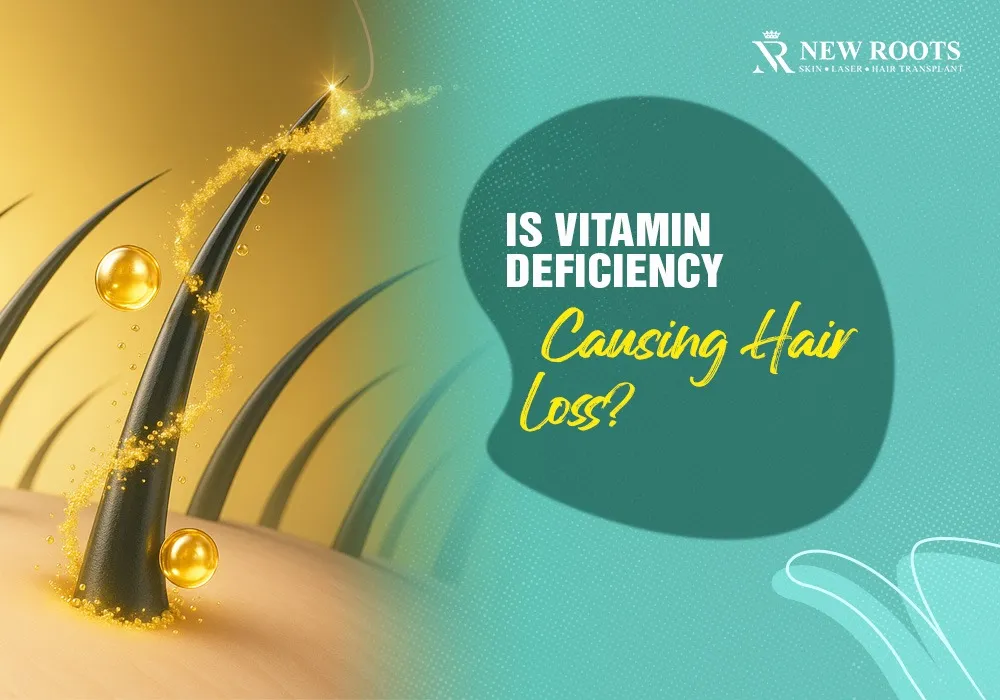
Which Vitamin Deficiency Causes Hair Loss? Best Nutrients & Foods
Table of Contents
Hair loss is really something that shows up for a lot of people, at different ages too. Even though genetics, hormones, stress, and certain medical conditions often get the blame, nutritional deficiencies can also matter a lot for hair health.
Still, many people dealing with heavy shedding tend to ask if they might be missing one “key” vitamin for hair loss prevention and for healthy regrowth, you know.
In Bangladesh, nutritional imbalances keep showing up as a usual reason behind hair related problems. If your diet doesn’t bring enough essential vitamins or minerals, it can make hair follicles weaker, slow down the normal growth cycle, and gradually increase shedding.
The good part is that when you spot what’s missing, and adjust nutrient intake, hair may start looking more resilient and stronger, over time.
So, this guide goes through the vitamin deficiencies that can contribute to hair loss, which vitamins are often the most helpful for hair loss, and what foods can support healthy hair growth.
The Connection Between Nutrition and Hair Growth
Hair follicles are one of the most active structures in the body, really they never stop. They need a steady stream of nutrients, to keep growth going, boost strength and help with renewal.
When the body is low on essential nutrients it will usually play favorites, so vital organs come first, and hair production comes later.
Because of that, hair follicles may end up with less access to resources, and then you can see things like:
- Increased shedding
- Slower growth
- Thinner hair
- Weaker strands
- Reduced hair density
This is why proper nutrition plays a critical role in maintaining healthy hair.
Which Vitamin Deficiency Causes Hair Loss?
One of the more common questions people ask is which vitamin deficiency causes hair loss, you know. The reality is that a few vitamin and mineral deficiencies can push excessive shedding and slower growth. And, in a lot of cases, more than one deficiency shows up at once, kind of all together.
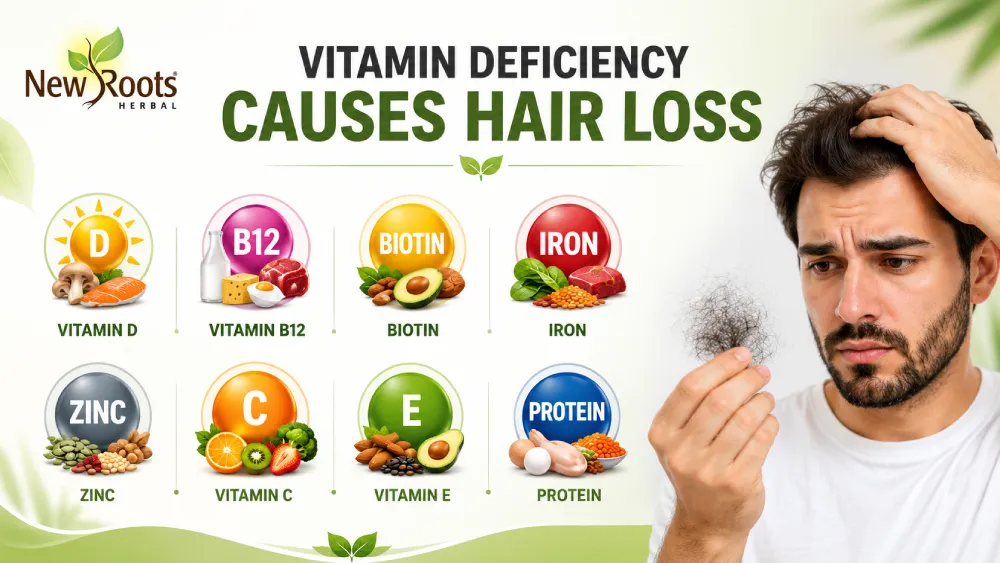
The main nutrients tied to hair wellbeing include:
- Vitamin D
- Vitamin B12
- Biotin
- Iron
- Zinc
- Vitamin C
- Vitamin E
- Protein
Tackling these deficiencies could help with the overall hair quality a bit and also back healthier growth, so it seems to do more than one thing at the same time.
Vitamin D and Hair Loss
Vitamin D kind of plays an important role in follicle development and the whole hair growth cycle, for real. When vitamin D levels are low, it has been linked with a few things, like:
- Increased hair shedding
- Thinning hair
- Reduced follicle activity
People who do not get much time outside, or who have less than adequate food intake, might be more at risk for a deficiency, somehow.
Sources of vitamin D include:
- Sunlight exposure
- Fatty fish
- Egg yolks
- Fortified foods
Maintaining healthy vitamin D levels may support stronger hair growth.
Vitamin B12 and Hair Health
Vitamin B12 helps create red blood cells, which then move oxygen and nutrients to the hair follicles, more or less.
A lack of it can contribute to, for example:
- Hair thinning
- Weak hair growth
- Increased shedding
Vitamin B12 is primarily found in:
- Fish
- Meat
- Poultry
- Eggs
- Dairy products
People on restrictive diets might end up more exposed to a deficiency issue, because of how their food intake goes, sort of.
Biotin: A Popular Vitamin for Hair Loss
Biotin is usually thought of as sort of the main vitamin for hair loss, because it helps with keratin production or whatever.
Keratin itself is the protein that makes up the structure of hair.
If biotin levels are low, it can cause a few problems like:
- Brittle hair
- Increased breakage
- Hair thinning
Biotin-rich foods include:
- Eggs
- Nuts
- Seeds
- Sweet potatoes
- Legumes
While biotin supplements are used a lot in the marketing for hair growth, they tend to help the most only when there’s a deficiency. In other words, if you are already okay on biotin, adding extra usually doesn’t do as much, not really.
Iron Deficiency and Hair Loss
Iron deficiency is honestly one of the most common nutritional reasons behind hair loss in the world, pretty much everywhere. Iron also plays a role in moving oxygen all through your body, all the way to the hair follicles. When iron levels get low, you might notice things like:
- Excessive shedding
- Thinning hair
- Reduced growth
Iron-rich foods include:
- Red meat
- Fish
- Lentils
- Spinach
- Beans
Keeping enough iron levels around is really essential for healthy hair growth, like you know, it helps the hair do its thing. If iron gets low, the scalp and hair follicles can feel it, so growth may slow down or look weaker.
Zinc and Hair Growth
Zinc kind of supports the work of the follicle, also helps with tissue repair and protein production. If you don’t have enough zinc, it can contribute to:
- Hair thinning
- Increased shedding
- Poor scalp health
Good sources of zinc include:
- Seafood
- Meat
- Nuts
- Seeds
- Whole grains
Balanced zinc intake helps maintain healthy follicles.
Vitamin C and Hair Strength
Vitamin C has a bunch of important roles when it comes to keeping hair healthy. It helps with things like production, plus that whole strength side of it, and even some protective functions in a way that feels kinda indirect but still matters. It helps:
- Support collagen production
- Improve iron absorption
- Protect follicles from oxidative stress
Foods rich in vitamin C include:
- Citrus fruits
- Guava
- Papaya
- Tomatoes
- Bell peppers
Adequate vitamin C intake supports stronger, healthier hair.
Vitamin E and Scalp Health
Vitamin E works like an antioxidant, it helps shield cells from damage, in a sort of quiet protective way. It may also support:
- Healthy scalp circulation
- Follicle protection
- Hair strength
Sources include:
- Almonds
- Sunflower seeds
- Spinach
- Avocados
A balanced intake contributes to overall hair and scalp health.
Protein: An Essential Nutrient for Hair Growth
Even if it isn’t technically called a vitamin, protein is pretty much a must for hair production, in a way that matters. Hair is mostly built from keratin, which is basically a protein based structure.
If you don’t get enough protein intake, you might notice things like this, sort of, lower growth and brittle strands or weakened hair, that sort of thing:
- Hair thinning
- Increased shedding
- Weak hair growth
Protein-rich foods include:
- Fish
- Eggs
- Chicken
- Lentils
- Dairy products
Adequate protein consumption is one of the most important nutritional factors for healthy hair.
Hair Loss Vitamins for Men
Lots of men dealing with thinning hair look around for workable hair loss vitamins for men, pretty often. And yeah, there are a few key bits that tend to matter.
Vitamin D
Helps the follicle do its thing, and supports the growth rhythm that stays healthy.
Zinc
Promotes scalp balance and keeps follicle function moving in the right direction.
Iron
Plays a role in making sure follicles get enough oxygen, which is kind of a big deal.
B Vitamins
These help back energy generation as well as healthy cell growth.
Protein
Gives the raw materials, for making healthy hair, basically.
Collagen for Hair Loss
Interest in collagen, for hair loss, has kind of risen a lot in recent years. Collagen is a structural protein that helps support and keeps in place the natural framework of the skin and tissues, so the whole environment stays more stable.
- Skin health
- Scalp health
- Hair structure
Collagen has amino acids that kinda help with the whole keratin making process, so it can support that. Some potential benefits are for sure things like:
- Improved hair strength
- Reduced breakage
- Better scalp support
Natural collagen sources include:
- Bone broth
- Fish
- Chicken
- Protein-rich foods
While collagen may support hair health, it is not a guaranteed solution for hair loss.
Flaxseed for Hair Loss
A lot of people do flaxseed for hair loss, as part of a healthier diet, and it’s kinda become common now.
Flaxseeds contain:
- Omega-3 fatty acids
- Fiber
- Antioxidants
- Plant nutrients
These compounds may support:
- Scalp health
- Reduced inflammation
- Overall hair quality
Flaxseed can be added to:
- Smoothies
- Yogurt
- Oatmeal
- Salads
Putting flaxseed into an overall balanced diet might give some nutritional backing for hair that looks healthy. It’s kind of a simple add-on, but it can help in a steadier way, especially when paired with other foods, and not just used as a single fix.
Black Seed Oil for Hair Loss
Black seed oil, for hair loss, has been used in traditional wellness practices for a long time, you know, kind of. It is sometimes said that black seed oil has components that might help support:
- Scalp health
- Moisture retention
- Hair strength
Potential benefits include:
- Reduced scalp irritation
- Improved hair condition
- Better overall scalp environment
Even while research keeps going, black seed oil is frequently treated like a sort of complementary idea in hair care, in a way that’s sorta helpful. People use it alongside other routines, sometimes for a more even look, or just as extra support, although results vary a lot.
Best Food to Prevent Hair Loss
When you’re trying to pick the right food to stop hair loss, it’s more about focusing on nutrient rich choices that help the follicles, and keep them doing their job. You know, those vitamins, minerals and amino stuff actually support hair health, not just, eat anything and hope.
Examples include:
- Eggs
- Fish
- Spinach
- Lentils
- Sweet potatoes
- Nuts
- Seeds
- Yogurt
These foods kind of provide a lot of the vitamins and minerals tied to healthy hair growth, so yeah it helps you keep that growth going . In general you can think of it as your hair getting nourished from the inside, with antioxidants and stuff.
Foods to Stop Hair Loss
Even if no single food can truly stop hair loss all by itself, eating nutrient packed meals might still ease shedding that happens because something is missing.
In other words, a well rounded diet gives the hair follicles what they require, like key proteins plus vitamins and minerals so they can work more normally, even when things feel a bit stressful for your body.
Eggs
Eggs are a strong source of protein and biotin, and both of those matter for keeping strands resilient and looking healthier, not just in theory but in real life.
Fatty Fish
Fatty fish like salmon and mackerel bring omega 3 fatty acids along with vitamin D, these nutrients help with scalp comfort, and they also support healthier growth over time.
Spinach
Spinach has iron, folate, and vitamin C , which can help with oxygen delivery to hair follicles and help the body absorb nutrients more effectively.
Nuts and Seeds
Nuts and seeds are packed with zinc, vitamin E, and beneficial fats, so they can support firmer hair and a calmer, better looking scalp.
Lentils
Lentils provide plant based protein and iron too. That makes them a practical addition to a hair friendly eating plan.
So, if you keep a balanced diet and include these items, it can help maintain long term hair health, and it may lower the chances of nutrition related hair loss.
Foods to Prevent Hair Loss
Lots of experts say it’s better to pay attention to what you eat to stop hair loss, not just depend on supplements by themselves. Like sure, some added pills can help in certain cases, but foods are the more direct route , especially when your body gets the right stuff from your plate.
Beneficial foods include:
- Leafy green vegetables
- Fruits rich in vitamin C
- Lean proteins
- Whole grains
- Legumes
- Healthy fats
With regular consumption of these foods, you can help keep the scalp and the follicles in good shape overall, like it supports the whole health side of it, too .
Conclusion
Nutritional deficiencies really are among the most common causes of hair loss, but somehow they get overlooked a lot, and that can be frustrating.
If someone figures out which vitamin deficiency causes hair loss, then they can start taking small steps to support hair health and maybe cut down on the extra shedding.
There are key nutrients like vitamin D, vitamin B12, biotin, iron, zinc, vitamin C, and protein that all have real jobs in keeping follicles healthy and supporting new growth.
So whether you are looking at the best vitamins for hair loss , or thinking about collagen for hair loss, or adding foods like flaxseed for hair loss and black seed oil for hair loss, the big idea is still the same: a balanced nutritional approach.
Instead of chasing one single answer, focusing on overall health, proper nutrition, and sticking to consistent hair care habits often ends up being the strongest foundation for more resilient, healthier hair over time.
Frequently Asked Questions (FAQs)
Lots of nutrient shortfalls can play a part in hair loss, but the one people run into most often include vitamin D, vitamin B12, iron, zinc, and biotin. These nutrients do key work for healthy hair follicles and normal growth of hair, so when they’re low, shedding can look worse than usual.
If someone asks me this, I usually say the best options are vitamin D, biotin, vitamin B12, vitamin C, and vitamin E. Minerals matter too, like iron and zinc since they support hair growth, and they can help reduce excessive shedding, especially when your intake is off.
Collagen for hair loss might help with overall hair strength and scalp well-being, since it brings amino acids that your body needs for keratin. Still, collagen isn’t some guaranteed fix , it may simply support healthier hair if it’s paired with a steady, balanced diet and good nutrition overall.
A few of the most helpful foods for reducing hair loss risks include eggs, fish, spinach, lentils, nuts, seeds, sweet potatoes, and other nutrient-packed choices. They bring in protein, iron, vitamins, and healthy fats which your body uses to keep hair doing what it should.
Biotin can help if there’s actually a biotin deficiency. But if your biotin level is already okay, then extra supplements might not do much for hair growth. In most cases a balanced diet and the right diagnosis are what really matter, because the underlying cause is usually the bigger issue.
Archives
- August 2026 (1)
- July 2026 (8)
- June 2026 (7)
- May 2026 (10)
- March 2023 (1)
- November 2022 (1)
- October 2022 (2)
- August 2022 (3)
- July 2022 (4)