

- New Roots
Best Hair Loss Treatments (Medical + Natural)
Table of Contents
Hair loss is a pretty common worry for millions of people globally, and lately it’s being seen more often in Bangladesh too. It might start as a moving back hairline, thinning around the crown, or just an overall drop in hair density. Either way, it can really tug at confidence and day to day comfort.
The good part is that medical science has moved forward a lot, and more people are learning about natural remedies, so there are more choices for dealing with hair loss than before.
What really matters with any hair loss treatment is figuring out what’s causing it in the first place. Things like genetics, hormone changes, lack of certain nutrients, stress, and other medical issues can all lead to extra shedding and gradual thinning.
Once someone understands the available treatment options, it becomes easier to choose wisely, and aim for better results over time, not just a quick fix or something temporary.
Understanding Hair Loss Before Choosing a Treatment
Before you start any hair loss treatment, it really helps to know why hair loss happens in the first place. Hair follicles kind of go through their own natural cycle, with growth stages, then a transition, and afterward shedding phase.
If that rhythm gets disturbed, you might notice too much shedding, or maybe reduced hair growth, kind of all at once. And honestly, the timing can look different for each person.
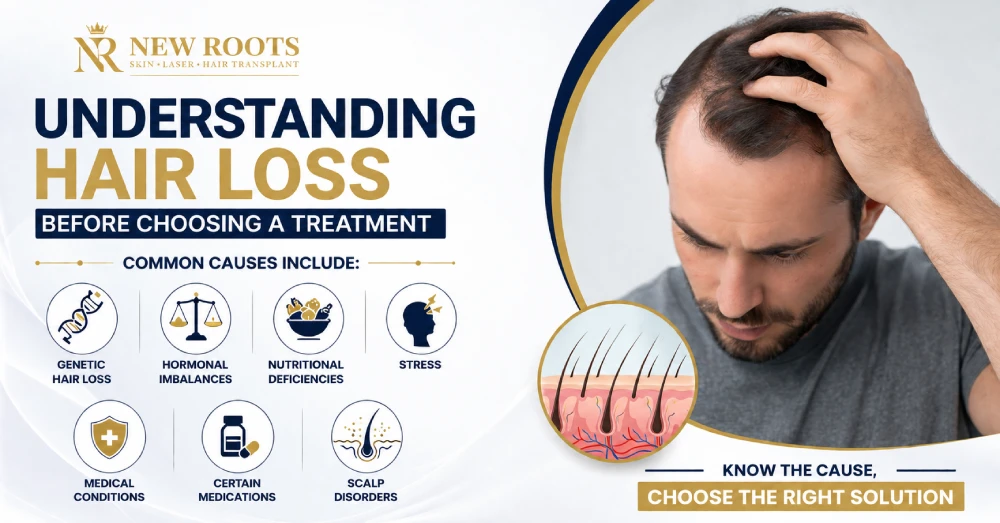
Common causes include:
- Genetic hair loss
- Hormonal imbalances
- Nutritional deficiencies
- Stress
- Medical conditions
- Certain medications
- Scalp disorders
Since various causes can need various fixes, a proper diagnosis is kinda like the first step toward successful treatment, and that’s usually what comes first.
Medical Hair Loss Treatment Options
Medical treatments still count among the most effective approaches when it comes to slowing hair loss and helping hair growth along. They’re especially useful for people who notice hereditary hair loss, or a progressive thinning that just keeps going, year after year.
Finasteride for Hair Loss
One of the more popular medications used for male pattern baldness is finasteride for hair loss. In simple terms, finasteride reduces levels of dihydrotestosterone (DHT) , a hormone that is closely tied to genetic hair loss.
Over time, DHT can slowly shrink hair follicles in people whose follicles are naturally sensitive. That shrinkage tends to lead to finer hair strands, and later on, eventual balding. When DHT drops , finasteride may help with a few things like:
- Slow hair loss progression
- Preserve existing hair
- Improve hair density
- Promote regrowth in some patients
Results usually take a few months of steady use before anything noticeable shows up, so don’t expect instant change.
Finasteride Tablets for Hair Loss
A lot of people out there, when they start looking for treatment options, are specifically hunting for finasteride tablets for hair loss because it feels easy to take and, well, it has demonstrated effectiveness. These oral tablets are often prescribed for men who are dealing with:
- Receding hairlines
- Crown thinning
- Male pattern baldness
Since finasteride can shift hormone levels, it really should be taken only while under professional medical supervision, because that’s where the monitoring happens.
You know, regular follow up visits help keep track of how things are going and also check whether the treatment is actually working.
DHT Blocker for Hair Loss
Since DHT really has a major role in hereditary hair loss, quite a few treatments end up focusing on being like DHT blocker, or acting in that sense, for hair loss. Therapies that block DHT may help with:
- Reduce follicle miniaturization
- Slow ongoing hair thinning
- Preserve healthy follicles
- Support long-term hair maintenance
Finasteride sort of sits among the better known DHT blockers , though, honestly some other treatment options can also mess with this same pathway in their own way.
Best Tablets for Hair Loss
When you talk about the best tablets for hair loss, it kinda matters that you understand effectiveness, it changes a lot depending on what’s causing the hair loss. Because, no matter what everyone says, hair thinning isn’t always the same thing, and the reasons are different.
Typically suggested options usually fall into the general category of :
- DHT-blocking medications
- Nutritional supplements
- Iron supplementation when deficiencies exist
- Vitamin-based support products
Honestly the best option kinda depends on your individual health status , age , gender, and the actual reason behind why hair is falling out. Before you start any medication or maybe even supplement routine, its better to get a professional evaluation first.
Hair Loss Treatment for Men
For men, dealing with hair loss treatment usually revolves around tackling male pattern baldness, which is the more common type of hair thinning in adult males.
In practice, the best effort strategies can end up being pretty different, but they often point in a few main directions, like medication, hair transplant surgery , and other supporting changes that help the whole situation.
Medication
Most medical options can help slow things down and keep the hair that is already there, longer. It’s basically about preserving what remains, while the process is being managed.
Hair Transplant Surgery
Hair transplant surgery tends to work as a kind of lasting fix, because it moves strong, healthy follicles from donor areas to the zones where thinning is happening.
Nutritional Support
Sometimes the root of the problem is not obvious, so sorting out nutritional deficiencies may strengthen overall hair condition and improve results from the other treatments too.
Lifestyle Improvements
Small daily adjustments, such as stress management, getting enough sleep, and eating well, can support healthier growth cycles. It’s not magic, but it can matter more than people think.
Early treatment generally leads to better outcomes, because there are more active follicles left to preserve , rather than waiting until the balding area becomes more established.
Female Hair Loss Treatment
Women’s hair loss treatment tends to be different than men’s, and that’s mostly because women more often get that diffuse thinning situation, not the kind of clean, distinct bald patches.
Common causes of female hair loss usually include:
- Hormonal fluctuations
- Nutritional deficiencies
- Thyroid disorders
- Stress
- Aging
Treatment options may involve:
Nutritional Correction
Fixing iron , vitamin D or other gaps might help hair start growing again better, sometimes.
Hormonal Management
If the deeper hormone imbalances are sorted out, the hair growth rhythm can become more steady too, more or less.
Hair Restoration Procedures
Some women may do well with a hair transplant procedure, but only if there’s suitable donor hair available, otherwise it’s not really an option.
Scalp Care
Taking care of the scalp helps set up a better little environment for new strands to show up, and stay.
Most of the time, a personalized plan is the most effective.
Hair Loss Supplements
A lot of people throw hair loss supplements into their overall treatment plans, kind of as an extra step I guess. These supplements usually contain nutrients like:
- Biotin
- Zinc
- Iron
- Vitamin D
- Vitamin B12
- Vitamin C
- Vitamin E
These nutrients support:
- Follicle health
- Hair strength
- Scalp function
- Keratin production
Supplements tend to be most helpful when some nutritional deficiency is present, or when the dietary intake is basically not enough. They’re meant to go along with—not swap out—evidence-based medical treatment, especially when it’s truly needed.
Natural Hair Loss Treatments
In addition to medical therapies, lots of people also look for natural ways to help with healthy hair growth.
And yeah, while these natural remedies won’t really undo advanced genetic baldness, they can still help in a better way, like supporting scalp health and making the hair feel stronger.
Balanced Nutrition
Eating right is still one of the most effective natural strategies you can do for healthy hair.
Key nutrients include:
- Protein
- Iron
- Zinc
- Vitamin D
- B vitamins
A diet that is nutrient rich helps in giving the follicles the right resources needed for their growth , and you know keep things moving forward.
Stress Management
Chronic stress can mess up the hair growth cycle a bit and it might make shedding feel heavier or happen more often.
Helpful ways to manage stress include:
- Exercise
- Meditation
- Yoga
- Adequate sleep
- Relaxation techniques
Reducing stress may help support healthier hair growth.
Scalp Massage
Some people do scalp massage to boost circulation, and also for a kind of mellow relaxation.
When blood flow is better, it can help create a healthier scalp environment, overall.
Even though studies are still underway, scalp massage is usually seen as a pretty low-risk supporting habit.
Nutritional Approaches to Hair Growth
Nutrition plays a central role in any comprehensive hair loss treatment strategy.
Protein-Rich Foods
Hair is primarily composed of keratin, a protein structure.
Good protein sources include:
- Fish
- Eggs
- Chicken
- Lentils
- Dairy products
Iron-Rich Foods
Iron deficiency can contribute to hair thinning and shedding.
Examples include:
- Spinach
- Red meat
- Lentils
- Beans
Zinc Sources
Zinc supports tissue repair and follicle function.
Good sources include:
- Seafood
- Nuts
- Seeds
- Whole grains
A balanced diet supports overall scalp and follicle health.
Hair Transplant as a Hair Loss Treatment
For people who are dealing with notable thinning or diminished density, hair transplantation still stands as one of the best long-term approaches, though it can sound a bit heavy at first.
The procedure involves:
- Extracting healthy follicles
- Transplanting them into thinning areas
- Restoring natural hair growth
Modern FUE techniques provide:
- Natural-looking results
- Minimal scarring
- Permanent transplanted hair
Hair transplantation can be quite effective for hereditary hair loss if there is enough donor hair in place, i mean, the source needs to be there. Without that, the whole idea gets a bit more complicated.
Hair Loss Treatment in Bangladesh
Demand for hair loss treatment in Bangladesh has gone up a lot in recent years, and honestly it seems faster than before. Patients now have easier access to, a range of options and also newer kinds of solutions such as:
- Hair restoration clinics
- Hair transplant procedures
- Medical therapies
- Nutritional counseling
- Scalp treatments
When selecting a provider, individuals should consider:
- Medical qualifications
- Experience
- Treatment options
- Patient reviews
- Transparency regarding expectations
A reputable clinic might give more tailored suggestions based on the exact cause of hair loss, like what’s driving it and how quickly it’s showing up. you know, not just the same general plan for everyone, but a kind of carefully adjusted path to follow, depending on the underlying situation.
Lifestyle Habits That Support Hair Growth
Successful treatment usually goes beyond just meds and procedures , sometimes it’s more about what happens day to day.
Healthy lifestyle habits might include:
Adequate sleep
Quality sleep supports hormone regulation and the repair of tissues , which is kind of a quiet big deal.
Regular exercise
Exercise boosts circulation and general wellness, even when it feels kinda simple.
Hydration
Proper hydration helps scalp function and supports overall wellness.
Avoiding smoking
Smoking can hurt circulation and follicle health , not in a good way.
Managing stress
Lowering stress may help reduce stress-related shedding.
Together these routines can work alongside other treatment approaches and help maintain long-term hair health.
Conclusion
So, finding the right hair loss treatment really starts with figuring out what’s causing the hair to thin in the first place. I mean, it’s not just one thing, sometimes there’s a medical reason, sometimes it’s more about day to day factors.
And that’s why options can range from pharmaceutical solutions like finasteride for hair loss , to finasteride tablets for hair loss, plus things like nutritional support, hair loss supplements , and more natural approaches that aim to support scalp comfort and better overall condition.
Then again, both hair loss treatment for men and female hair loss treatment should be matched to each person, because underlying conditions and the pattern of thinning can be different.
If the loss is more advanced, hair transplantation can turn into a long-term option. But early intervention with medical therapies, plus basic lifestyle habits that support the body, can often help people hold onto their existing hair for longer.
For anyone looking for hair loss treatment in Bangladesh, it usually helps to speak with a qualified professional first, and start sooner rather than later, because that timing often makes the biggest difference for stronger , healthier hair in the long run.
Frequently Asked Questions (FAQs)
Honestly it really depends on why your hair is thinning , so the “best” option changes. In many cases doctors talk about medical therapy , DHT blockers, fixing nutritional issues, and even hair transplant procedures. If you start early, results are usually better , not always but often.
Yes, finasteride for hair loss is commonly used for male pattern baldness. It reduces DHT levels, and that can help slow down hair loss, keep more of what you already have, and in some men improve hair density over time if taken consistently . Some people see changes within months, but patience matters.
The best tablets for hair loss depends on you , like what’s causing it in the first place. DHT-blocking medicines, vitamin supplements, iron supplements if you’re low, and other doctor-recommended therapies may support stronger-looking growth. But without knowing the cause, it’s kind of guessy.
Hair loss supplements can work , especially when the hair loss is related to nutritional deficiencies. Supplements with biotin, zinc, iron, vitamin D, and vitamin B12 may help the follicles function better, and hair growth may become more supportive. Still , “more” isn’t always “better,” using them appropriately is important.
For Bangladesh, the best hair loss treatment depends on how severe it is and what the cause likely is. It can involve medical options, nutritional support, scalp-focused treatments, PRP therapy, and hair transplantation. Visiting a qualified specialist is the step that usually makes the plan clearer, because one person’s treatment may not match another persons.
Archives
- August 2026 (1)
- July 2026 (8)
- June 2026 (7)
- May 2026 (10)
- March 2023 (1)
- November 2022 (1)
- October 2022 (2)
- August 2022 (3)
- July 2022 (4)