

- New Roots
Hair Loss Types: Alopecia, Sudden Hair Loss & Common Causes
Table of Contents
Hair loss is a pretty common condition, it can happen to basically everyone—men women, and yes even children. Normally, losing a small amount of hair each day is part of the hair growth cycle, but if the shedding feels excessive or the thinning is noticeable, then it might be a sign of an underlying issue.
Figuring out the different types of hair loss matters, because how you treat it and how you manage it usually depends on what’s actually causing it.
In Bangladesh, hair loss can be linked to lots of things like genetics, missing nutrients, hormonal shifts, stress, certain medical conditions, and even environmental effects. And among the various conditions that come with thinning hair, alopecia hair loss is one of the best-known names people talk about.
This guide is meant to walk you through the main kinds of hair loss— including alopecia, sudden hair loss , excessive shedding, and hair loss that shows up in certain age groups or specific areas of the scalp.
Understanding Hair Loss
Hair seems to move along a continuous cycle, with growth, then a transition bit then shedding , you know the usual rhythm. Under normal circumstances most people lose somewhere between 50 and 100 hairs a day.
The issues start when the hair falls out faster than it can regenerate , or when follicles stop producing strong, healthy hair completely.
Hair loss can be :
- Temporary
- Progressive
- Patchy
- Diffuse
- Permanent
Identifying the type of hair loss is often the first step toward finding an appropriate solution.
What Is Alopecia Hair Loss?
Many people ask what is alopecia, hair loss. Like, alopecia is a general medical term that is used for describing hair loss in a broad way.
It shows up in different forms and can influence various areas, for example the scalp, the eyebrows, the eyelashes, and the beard region too.
Some kinds of alopecia are kind of temporary, but others can lead to long term, or even lasting, permanent hair loss.
And the intensity, plus what it looks like overall, can differ quite a bit , depending on the root cause and also the individual circumstances of the person.
Best Shampoo to Stop Hair Loss: What to Expect
Many people look around for the best shampoo to curb hair loss, but it’s key to grasp what these things can realistically do. A good, well matched shampoo might help with a few things, like:
- Reduce hair breakage
- Improve scalp health
- Strengthen existing hair
- Support healthier growth conditions
However, shampoos usually do not remove the root causes of inherited hair loss, and it can feel a bit frustrating. The point is really to support overall hair health instead of expecting dramatic regrowth just from shampoo, alone. Sometimes it’s more about nourishment, care for the scalp, and gradual improvement.
Biotin Hair Loss Shampoo
One of the most popular product categories is biotin, hair loss shampoo, yeah, basically.
Biotin is a B vitamin, involved in keratin production, which then helps with hair structure, and strength.
Potential benefits of biotin shampoos include , something like:
- Improved hair appearance
- Reduced breakage
- Enhanced hair texture
- Support for healthier-looking hair
While biotin shampoos can help the existing hair, they’re usually more effective when they’re matched up with good nutrition and basically solid hair care stuff.
Alopecia Hair Loss: Common Types
When talking about alopecia, hair loss, a few different things can fall under that alopecia umbrella, kind of as a general category. Like it’s not only one thing , it’s more of a group of conditions.
Alopecia Hair Loss: Common Types
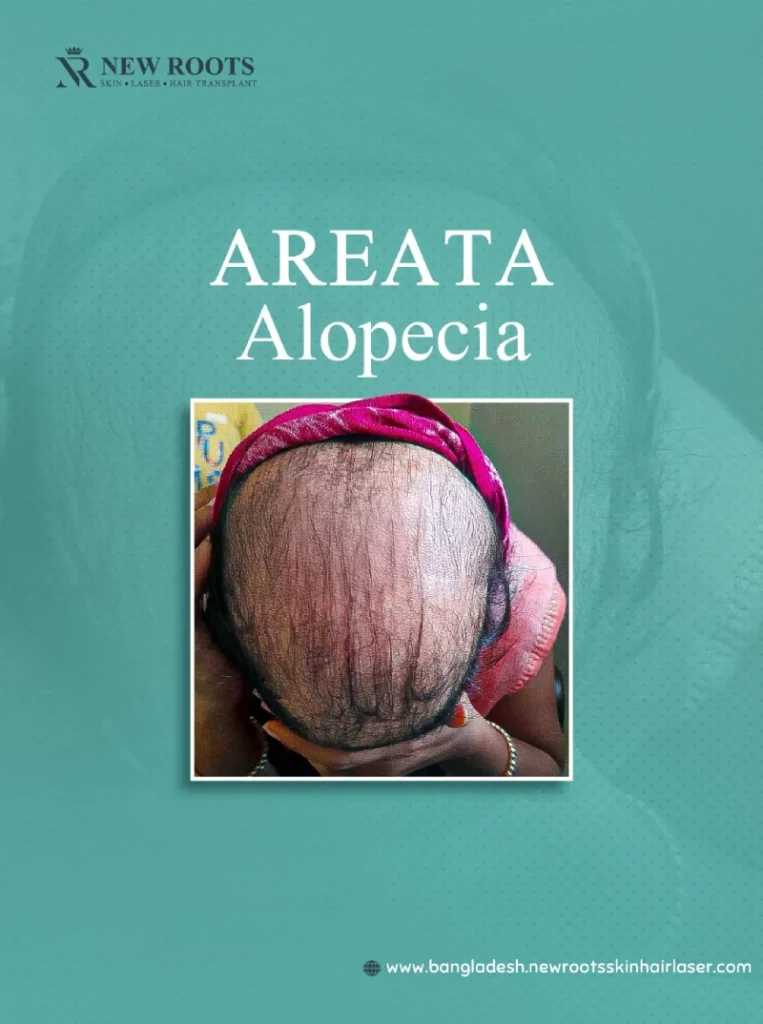
Alopecia areata is an autoimmune problem where the immune system, sort of by mistake, starts attacking healthy hair follicles.
Common characteristics include:
- Round bald patches
- Sudden onset
- Patchy hair loss
- Possible regrowth in affected areas
The condition can affect both adults and children.
Androgenetic Alopecia
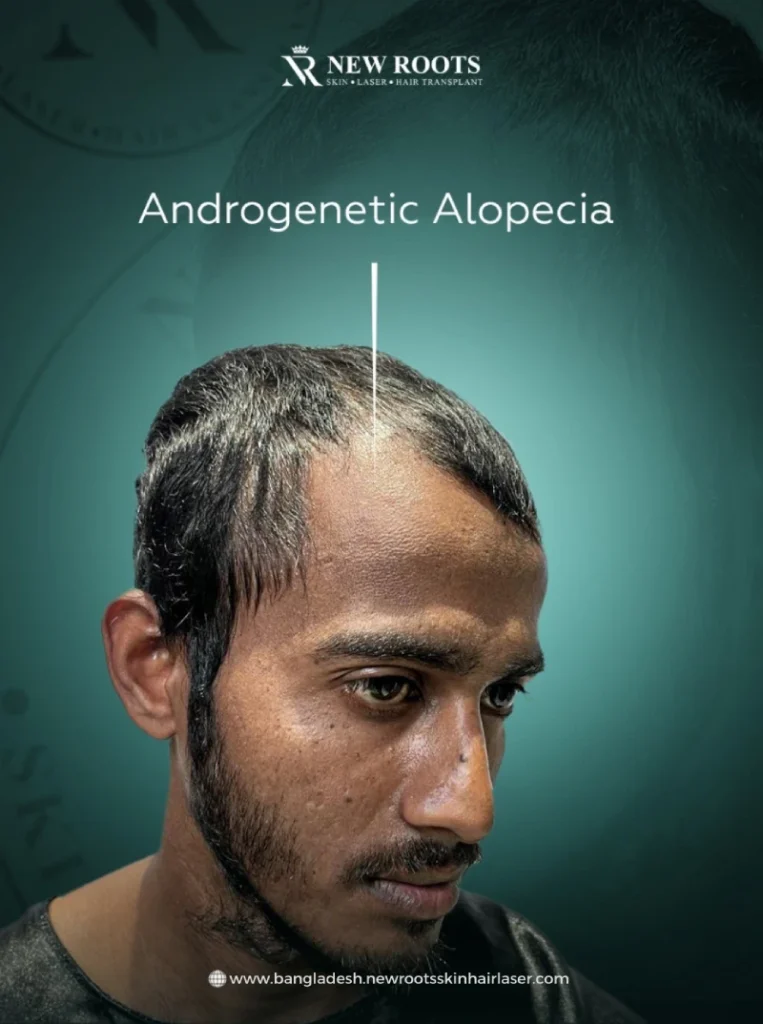
Often referred to as male or female pattern baldness, androgenetic alopecia is the most common type of hair loss—though people say it a lot like it’s always the same.
Common features include:
- Receding hairline
- Crown thinning
- Gradual progression
- Strong genetic influence
This form of alopecia often develops slowly over time.
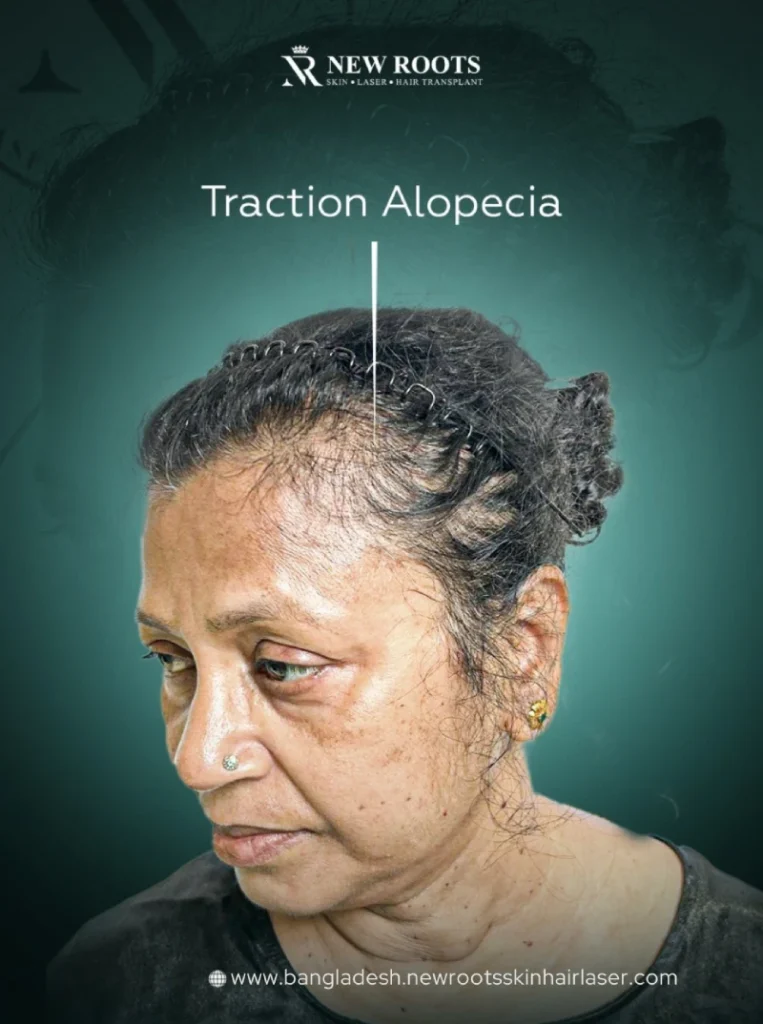
Traction Alopecia
Traction alopecia occurs when constant tension damages hair follicles.
Common causes include:
- Tight braids
- Tight ponytails
- Repeated pulling hairstyles
Early intervention may help prevent permanent follicle damage.
Scarring Alopecia
Some ongoing inflammatory troubles can end up wrecking hair follicles and then the tissue gets sort of swapped out for scar tissue, instead.
This type of hair loss could lead to lasting baldness if it is not handled, very quickly.
Acute Hair Loss: Understanding Sudden Shedding
Acute hair loss is basically rapid hair shedding, sort of, that shows up over a short time span.
It is different from gradual hereditary hair loss where things creep in slowly. With acute hair loss, the whole situation can pop up suddenly, and honestly it can feel alarming for patients.
Possible triggers include:
- Severe illness
- Surgery
- High fever
- Emotional stress
- Nutritional deficiencies
- Hormonal changes
In a lot of situations, acute hair loss kinda improves as soon as the real underlying cause is found , and actually dealt with. Sometimes it’s almost like the issue settles down on its own.
Excessive Hair Loss: When Shedding Becomes a Problem
Everyone sort of loses hair everyday, but when the shedding goes way beyond normal amount, that’s usually when excessive hair loss shows up. Warning signs might include:
- Hair accumulating on pillows
- Excessive shedding during washing
- Noticeable scalp visibility
- Reduced hair volume
- Increased hair fall throughout the day
Excessive shedding might be linked to stress, lack of nutrients, sickness, certain medications, or hormonal imbalances, it’s kinda like the hair is reacting. Trying to get a professional evaluation can help, so you can figure out what’s really driving it.
Sudden Hair Loss in Men
Sudden hair loss in men can happen for a bunch of reasons and it should not be taken as a lock , that it’s just male pattern baldness or something simple like that. It can be more complicated, kinda quickly too, even if it looks obvious.
Some possible triggers include, like,
Stress
A big physical or emotional stressor may set off rapid shedding, even when you weren’t expecting it.
Medical Conditions
Certain illnesses can mess with the usual hair growth rhythm, and the cycle gets disrupted.
Nutritional Deficiencies
When there are low amounts of iron, zinc, protein, or key vitamins, hair might thin out or fall out sooner than normal.
Autoimmune Disorders
Some immune related problems, such as alopecia areata, can lead to sudden patchy hair loss.
If a man notices unexpected hair loss, it’s wise to get a professional check, so an underlying cause can be understood instead of guessing.
Female Hair Loss at Temples
Women noticing hair loss around the temples often feel worried, and yeah it can show up for different reasons, sometimes it’s not just one thing. In many cases it comes from a mix of factors like,
Hormonal shifts
Changes in hormone levels can mess with how follicles behave, and the normal hair growth rhythm too.
Traction alopecia
If styles pull repeatedly—tight braids, certain updos, or constant tension—this can lead to thinning in the temple area.
Genetic influence
Some women inherit a pattern of thinning that really likes to show up first near the temples, not always everywhere.
Stress and diet gaps
Too much stress paired with weak nutrition can make existing thinning worse, especially in more sensitive spots.
If it’s caught early, there’s a better chance to slow down further progression and protect what’s left.
Forehead Hair Loss
Forehead hair loss often involves thinning along the frontal hairline.
This may occur in:
- Men with receding hairlines
- Women experiencing hormonal changes
- Individuals with traction-related hair loss
Potential causes include:
- Genetics
- Hormonal imbalances
- Hairstyling habits
- Scalp conditions
Identifying the cause helps guide appropriate treatment strategies.
Children With Hair Loss
Many parents get concerned when they see their children with sudden hair thinning or even patchy loss, like it comes out of nowhere. Even though it is less common than hair loss in adults, a number of conditions can show up during childhood, and they can be pretty different from one another.
Some possible reasons include, not always in the same pattern either:
Alopecia Areata
This is a kind of patchy hair loss that seems to happen due to autoimmune activity, where the body misreads things.
Fungal Infections
When the scalp gets a fungal infection, it can cause temporary hair loss and sometimes scaling or irritation too.
Nutritional Deficiencies
If the body isn’t getting enough key nutrients, healthy hair growth can slow down, and the hair may become thin.
Hair Pulling Disorders
Some children pick up habits, like tugging or pulling hair, and that can lead to more noticeable shedding.
Hair Loss in Teenage Girl
Hair loss in teenage girl populations can be really upsetting, and it might mess with confidence, plus emotional balance too. Sometimes it feels like it shows up out of nowhere, even if you are doing fine.
There are a few usual reasons, such as
- Nutritional deficiencies, meaning if you’re not getting enough iron or protein for example, rapid growth plus some dietary imbalance can raise the odds.
- Hormonal changes, during puberty the hormonal shifts can influence how hair grows, and it can feel a bit unpredictable.
- Stress, not just one kind but academic pressure , social stuff, and general emotional strain can all play a role in extra shedding.
- Scalp conditions too, like dandruff, or scalp inflammation, can make hair look thinner and may interfere with healthy strands.
Nutritional Deficiencies and Hair Loss
Nutritional health matters in keeping hair healthy, like honestly it is kinda a big deal . A lot of what we eat really shows up in your strands, or so it seems , anyway. Important nutrients include:
- Iron
- Protein
- Zinc
- Vitamin D
- Vitamin B12
- Biotin
Deficiencies may contribute to:
- Excessive shedding
- Slower growth
- Thinner hair
- Reduced density
A well balanced diet helps keep healthy follicle work going and hair growth happens, it’s kinda like the body needs the right nutrients so everything stays in sync and you don’t end up with dull shedding later on.
Stress-Related Hair Loss
Stress is one of the most common reasons for temporary hair loss. It can happen when the body feels pressured , and then the hair cycle kind of slips a bit. Physical stressors can be things like:
- Illness
- Surgery
- Injury
Emotional stressors may include:
- Anxiety
- Relationship difficulties
- Financial concerns
- Academic pressure
Stress related hair loss usually improves when the stress levels start to come down, and the body goes back to its normal kind of balance. It’s like the system kinda settles again, not instantly always. But most times, once the underlying pressure eases, the hair tends to recover.
Hormonal Hair Loss
Hormones matter a lot for hair growth, seriously.
Hormonal shifts tied to :
- Pregnancy
- Childbirth
- Menopause
- Thyroid disorders
may affect the hair growth cycle, and increase shedding. Managing underlying hormonal issues often helps improve hair health.
Hair Loss and Scalp Conditions
A few scalp conditions can also sort of be the reason for hair thinning, like they quietly mess with things over time.
For example: Dandruff.
If the dandruff keeps showing up , it may make the scalp feel irritated and that can lead to more shedding.
Then there is Scalp Inflammation.
When the scalp is inflamed, those inflammatory changes might touch follicle health, and the hair growth cycle gets thrown off.
Also consider Infections.
Some fungal or bacterial infections can interfere with normal hair growth, even if you do not notice much at first.
Overall, taking care of the scalp helps keep follicles in better shape and supports healthier hair growth.
How Hair Loss Is Diagnosed
Diagnosis often starts with a kind of detailed run through, sort of like a slow check, not always in a clean order. Healthcare professionals might then assess:
- Hair loss pattern
- Medical history
- Family history
- Diet and lifestyle
- Scalp condition
Sometimes additional testing can be recommended, to help spot nutritional deficiencies , hormonal imbalances, or even some medical conditions. Accurate diagnosis is key because it guides the choice of the most suitable treatment.
Hair Loss Prevention Tips
Even if not every kind of hair loss can be avoided, a few daily habits might still help your hair stay in a better shape, you know.
Try to Eat a Well-Rounded Diet
Good nutrition really backs up how the follicles work , so they can do their job more reliably
Keep Stress Under Control
Cutting back on stress may reduce shedding that happens because your body is on edge, sometimes it just shows up on your scalp
Keep Up With Solid Scalp Care
A clean, healthy scalp can create a friendlier environment for new growth and thicker strands
Avoid Too Much Tension
Try not to wear tight styles all the time, because traction related hair loss can build up gradually
Get Help Sooner Rather Than Later
If you notice thinning early on, getting advice quickly often leads to better results, even if it feels minor at first
Conclusion
Figuring out the different forms of alopecia hair loss, plus other types of hair loss conditions, can help people sort of notice what might be going on, and then look for the right solutions.
If someone is dealing with acute hair loss, really excessive shedding, sudden hair loss in men, hair thinning at the temples in women, forehead hair loss, kids who are losing hair, or hair loss showing up in teen girl populations, getting on it early is usually quite helpful.
Since hair loss can come from genetics, nutritional deficiencies, stress, hormonal shifts, autoimmune disorders, and scalp problems , a proper evaluation matters a lot.
When you pinpoint the exact cause, you can then aim for a more targeted treatment, and that generally improves the odds of seeing better hair regrowth and long term improvements.
Frequently Asked Questions (FAQs)
Alopecia hair loss is kinda a broad phrase people use for hair loss that shows up on the scalp, or sometimes other areas of the body. It comes in several versions, like small sudden patches, slower thinning over time, or that more familiar pattern balding look. Some kinds are basically temporary and they can get better on their own, while other types might need ongoing care depending on what’s really causing it
Sudden hair loss in men can happen for a bunch of reasons, for example heavy stress, a serious illness, not enough nutrients, hormonal shifts, certain medications, or autoimmune issues. And yeah, unlike the slow male pattern baldness that usually builds gradually, sudden shedding tends to show up fast, so it usually makes sense to get checked by a clinician to figure out the reason underneath it
Hair loss around the temples in women is often tied to hormonal swings, genetics, stress, weak nutrition, or hairstyles that repeatedly tug at the hairline. When you catch it early, you may be able to slow it down, and help hair health get steadier again
Yes, kids can develop conditions that fall under alopecia hair loss too. This can include alopecia areata, scalp infections, or nutritional deficiencies. Getting a proper diagnosis sooner rather than later is important for good treatment and better recovery chances
It can be because teenage girls might experience hair shedding due to hormonal changes, stress, poor diet, iron deficiency, or issues affecting the scalp. If you identify the cause earlier, it may prevent more thinning and support stronger hair regrowth later
Archives
- August 2026 (1)
- July 2026 (8)
- June 2026 (7)
- May 2026 (10)
- March 2023 (1)
- November 2022 (1)
- October 2022 (2)
- August 2022 (3)
- July 2022 (4)