


Best Melasma Treatment in Bangladesh for Clear & Even-Toned Skin
Table of Contents
OVERVIEW
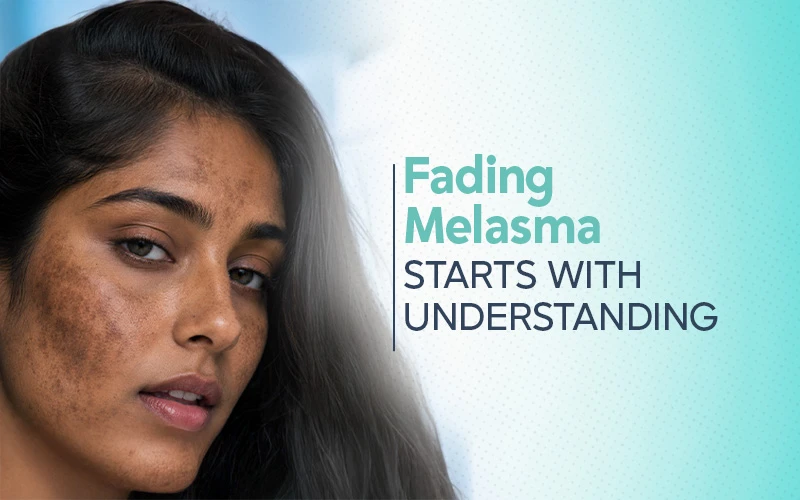
Melasma is a common skin pigmentation condition that shows up as brown, grey-brown, or dark patches on the face. It usually appears on the cheeks, forehead, nose, upper lip, chin, and jawline, and it can take a real toll on how confident someone feels in their own skin. While melasma isn’t harmful in itself, it can be tricky to manage on your own, since the pigmentation tends to come back if the underlying triggers aren’t addressed.
At New Roots, we offer advanced melasma treatments tailored to each person’s skin type and pigmentation concerns. Our focus isn’t just on fading existing pigmentation — it’s also on helping prevent it from coming back through a well-rounded, personalized approach.
WHAT IS MELASMA
Melasma is a chronic pigmentation condition caused by the skin producing too much melanin, the pigment that gives our skin its color. This excess melanin builds up in certain areas, leading to visible dark patches and an uneven skin tone.
It’s most commonly seen on the face, though it can occasionally show up on other parts of the body that get a lot of sun exposure. Melasma tends to be more common in women, particularly during pregnancy and times of hormonal change, but men can develop it too.
COMMON AREAS AFFECTED BY MELASMA
- Forehead
- Cheeks
- Nose
- Upper lip
- Chin
- Jawline
- Neck
- Areas that get frequent sun exposure
WHAT CAUSES MELASMA?
Melasma usually develops due to a mix of internal and external factors.
Sun Exposure
UV rays and visible light stimulate the cells that produce melanin, which increases pigmentation and can make melasma worse.
Hormonal Changes
Pregnancy, birth control pills, hormone replacement therapy, and other hormonal shifts are among the most common triggers.
Genetics
If melasma runs in your family, you may be more likely to develop it yourself.
Heat Exposure
Regular exposure to heat — from cooking, steam, saunas, or just being outdoors — can aggravate pigmentation.
Certain Medications
Some medications can make skin more sensitive to light, which can contribute to pigmentation issues.
Skin Inflammation
Irritation from harsh skincare products, aggressive treatments, or skin injuries can make melasma worse.
Thyroid Disorders
Some research points to a possible link between certain thyroid conditions and melasma in some people.
TYPES OF MELASMA
Knowing which type of melasma you’re dealing with helps in choosing the right treatment plan.
Epidermal Melasma
Pigment sits in the outer layers of the skin. This type usually responds well to treatment and tends to improve a bit faster.
Dermal Melasma
Pigment sits deeper in the skin, which makes it a bit more stubborn to treat and often requires several sessions.
Mixed Melasma
A mix of both epidermal and dermal pigmentation — this is actually one of the most common forms doctors see.
Vascular Melasma
In some cases, increased blood vessels play a role in the pigmentation, which calls for a more specialized treatment approach.
SIGNS YOU MIGHT HAVE MELASMA
- Brown, grey-brown, or dark patches on your skin
- Uneven skin tone
- Pigmentation that appears symmetrically on both sides of the face
- Patches that get darker after sun exposure
- Discoloration that doesn't go away with regular skincare
- Pigmentation that gradually gets more noticeable over time
RISK FACTORS
A few things can make you more likely to develop melasma:
- Frequent sun exposure
- Pregnancy
- Hormonal fluctuations
- A family history of melasma
- Darker skin tones
- Thyroid disorders
- Hormonal medications
- Excessive heat exposure
- Not using enough sun protection
WHY PROFESSIONAL TREATMENT MATTERS
Melasma often doesn’t respond well to over-the-counter products or home remedies. Treating the pigmentation without understanding what’s causing it can lead to short-term improvement that fades and comes back.
Working with a professional can help:
- Fade visible pigmentation
- Even out your overall skin tone
- Target pigment that sits deeper in the skin
- Slow down worsening pigmentation
- Reduce the chances of recurrence
- Bring back skin clarity and radiance
- Build a long-term plan to keep your skin looking its best
MELASMA TREATMENT OPTIONS AT NEW ROOTS
Every patient’s skin is different. After a thorough consultation and skin assessment, our specialists put together a treatment plan based on how severe, deep, and widespread your pigmentation is.
Laser Toning
Uses advanced laser technology to target excess melanin while being gentle on the surrounding skin.
Benefits: fades pigmentation, brightens skin, improves texture, minimal downtime, works for a range of skin types.
Q-Switched Laser Treatment
Breaks pigment particles down into tiny fragments that your body naturally clears out over time.
Benefits: effective for stubborn pigmentation, precisely targets excess melanin, improves clarity, non-surgical, quick recovery.
Chemical Peels
Medical-grade peels exfoliate away damaged skin cells and encourage skin renewal.
Benefits: evens out skin tone, reduces surface-level pigmentation, improves texture, adds radiance, supports overall skin renewal.
Carbon Laser Facial
Combines laser technology with activated carbon to brighten skin and address pigmentation.
Benefits: brighter complexion, smoother texture, reduced pigmentation, refined pores, added glow.
Medical Facials
Customized facials that support overall skin health alongside your pigmentation treatment.
Benefits: better hydration, healthier skin, improved texture, a fresher, more refreshed look.
Customized Medical Skincare Programs
Tailored skincare regimens to help keep melanin production in check and maintain your results.
Benefits: helps control excess melanin, supports recovery, improves outcomes, helps prevent pigmentation from returning.
BENEFITS OF MELASMA TREATMENT
- More Even Skin Tone — work toward a more balanced, uniform complexion.
- Reduced Pigmentation — dark patches gradually fade with time.
- Brighter Skin — skin often looks healthier and more radiant.
- Better Texture — many treatments improve overall skin quality too.
- More Confidence — clearer skin often brings a boost in how people feel about themselves.
- Long-Term Management — the right treatment and maintenance plan can help reduce future flare-ups.
HOW IS THE COST OF TREATMENT DETERMINED?
Melasma treatment costs vary from person to person, since every case is different. Things like how severe the pigmentation is, how deep it goes, which technology is used, how many sessions you’ll need, the size of the affected area, and whether a combination of treatments is recommended all factor into the overall plan. During your consultation, our specialists will assess your skin and recommend the treatment approach that fits your needs and goals best.
WHY CHOOSE NEW ROOTS FOR MELASMA TREATMENT?
Melasma calls for a personalized approach, since the causes and severity can look different from one person to the next. At New Roots, our skin specialists take the time to assess your pigmentation, skin type, and contributing factors before putting together a treatment plan built around you.
We use advanced treatment technologies and well-established skincare protocols to target pigmentation while supporting your skin’s overall health. Depending on your specific case, our team may recommend a combination of laser treatments, chemical peels, medical facials, and customized skincare to help you get the best possible results.
Your safety, comfort, and satisfaction matter to us throughout the process. With a focus on effective pigmentation management, natural-looking results, and long-term skin health, New Roots is here to help you get clearer, brighter, healthier-looking skin.
FREQUENTLY ASKED QUESTIONS
Melasma can be managed and significantly reduced with the right treatment, though ongoing maintenance is often needed to keep it from coming back.
Melasma is generally considered a chronic condition. Pigmentation can improve a lot, but staying consistent with sun protection and maintenance is important for keeping it under control long-term.
That depends on the type, depth, and severity of your pigmentation. Your specialist will recommend a treatment plan after your consultation.
Most modern treatments involve only mild discomfort and are generally well tolerated.
Yes — sun exposure, hormonal changes, and other triggers can cause it to return. Staying on top of maintenance can help lower this risk.
When done by experienced professionals using the right technology, laser treatments can be a safe and effective option for the right candidates.
This varies depending on your treatment plan and how severe the pigmentation is. Many patients start noticing gradual improvement after a few sessions.
If you're dealing with facial pigmentation, uneven skin tone, dark patches that keep coming back, or pigmentation that worsens with sun exposure, you could likely benefit from professional treatment.
RELATED VIDEO

BEFORE & AFTER


