

- New Roots
Hair Loss Guide: Causes, Treatments & Natural Remedies That Work
Table of Contents
Hair loss is one of the most common issues, affecting both men and women worldwide. While losing a little hair each day is normal, too much shedding or clear thinning can mess with confidence, and day to day comfort.
In Bangladesh, people are getting more aware about scalp care, so many folks are now looking for solutions that help stop and treat hair loss.
The good news is that modern medicine has several options, and some simple lifestyle adjustments may support stronger and healthier hair.
But first you need to know what’s behind it, what treatments are actually available, and what results you can realistically expect.
This full guide covers the major reasons hair loss happens, the medical treatments you can consider, and natural remedies that might help in supporting healthier regrowth.
What Is Hair Loss?
Hair loss means you are seeing too much shedding or a thinning hair situation coming off the scalp or sometimes other areas of the body.
Most people lose a bit of hair everyday as part of the normal growth cycle, however abnormal hair loss happens when strands leave faster than they’re able to come back , grow again.
How bad it gets is different for everyone. Some individuals notice gentle thinning, yet others might see marked baldness building up over time.
Hair loss may show up slowly or all at once , depending on what’s actually causing it under the skin.
Understanding the Hair Growth Cycle
To grasp why hair loss happens, it helps to know how hair normally does its thing, quietly. Hair follicles move through three key stages, not in a random way but pretty consistent overall.
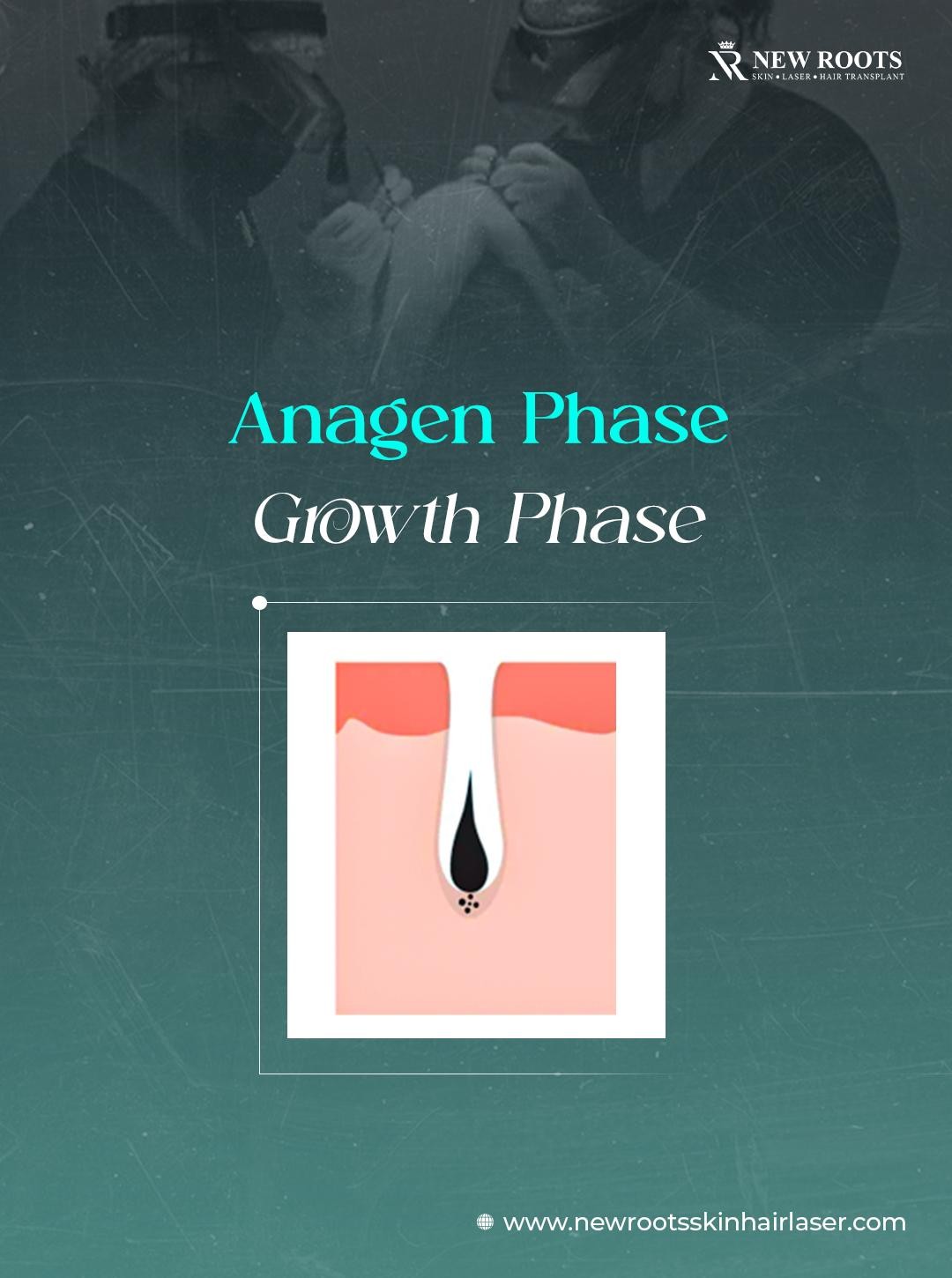
Anagen Phase
This is the active growth phase. The hair stays here for multiple years, and it keeps growing steady.
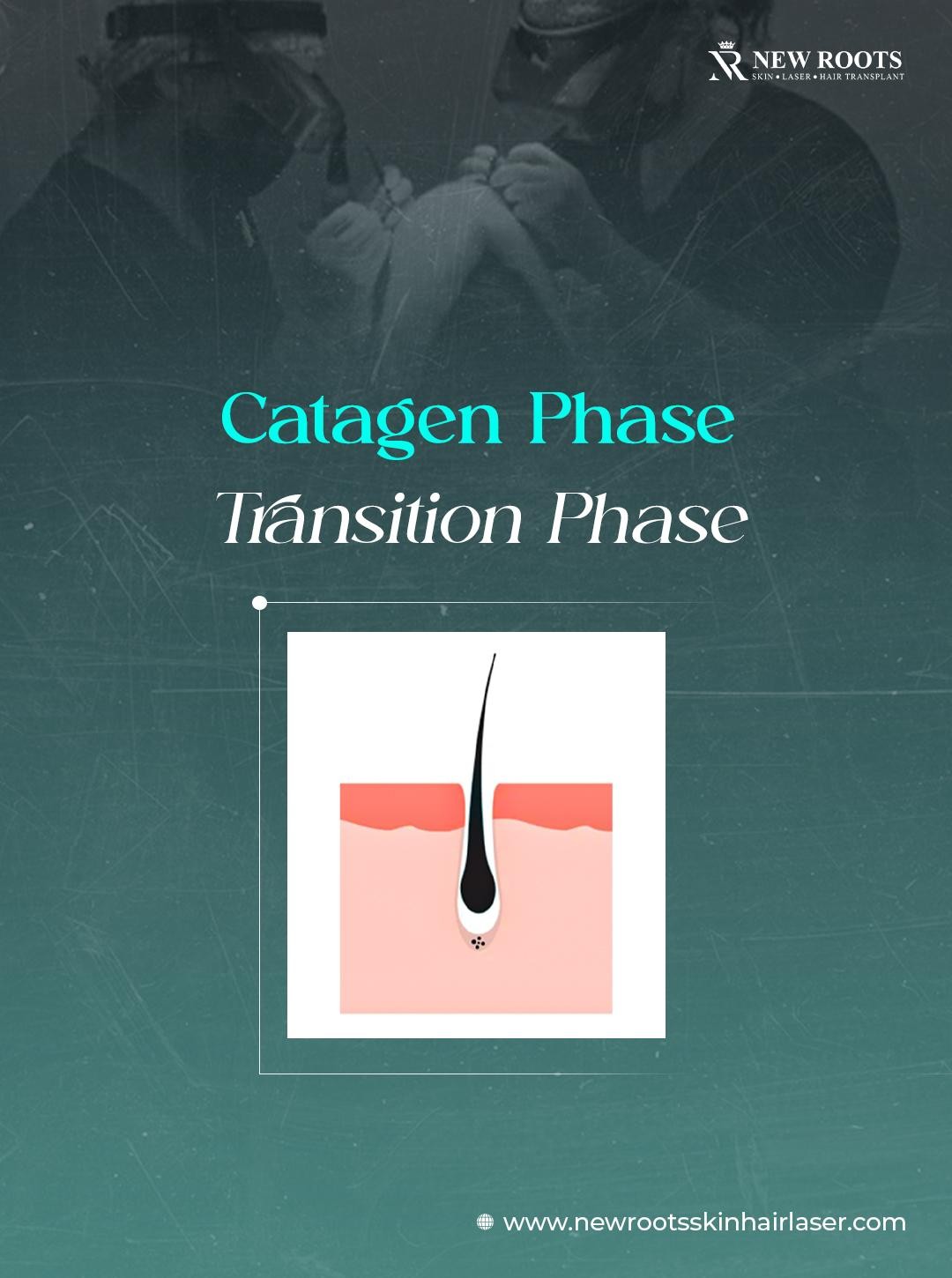
Catagen Phase
That’s the brief transition part, where growth kind of slows down and the follicle starts gearing itself up for a resting period.
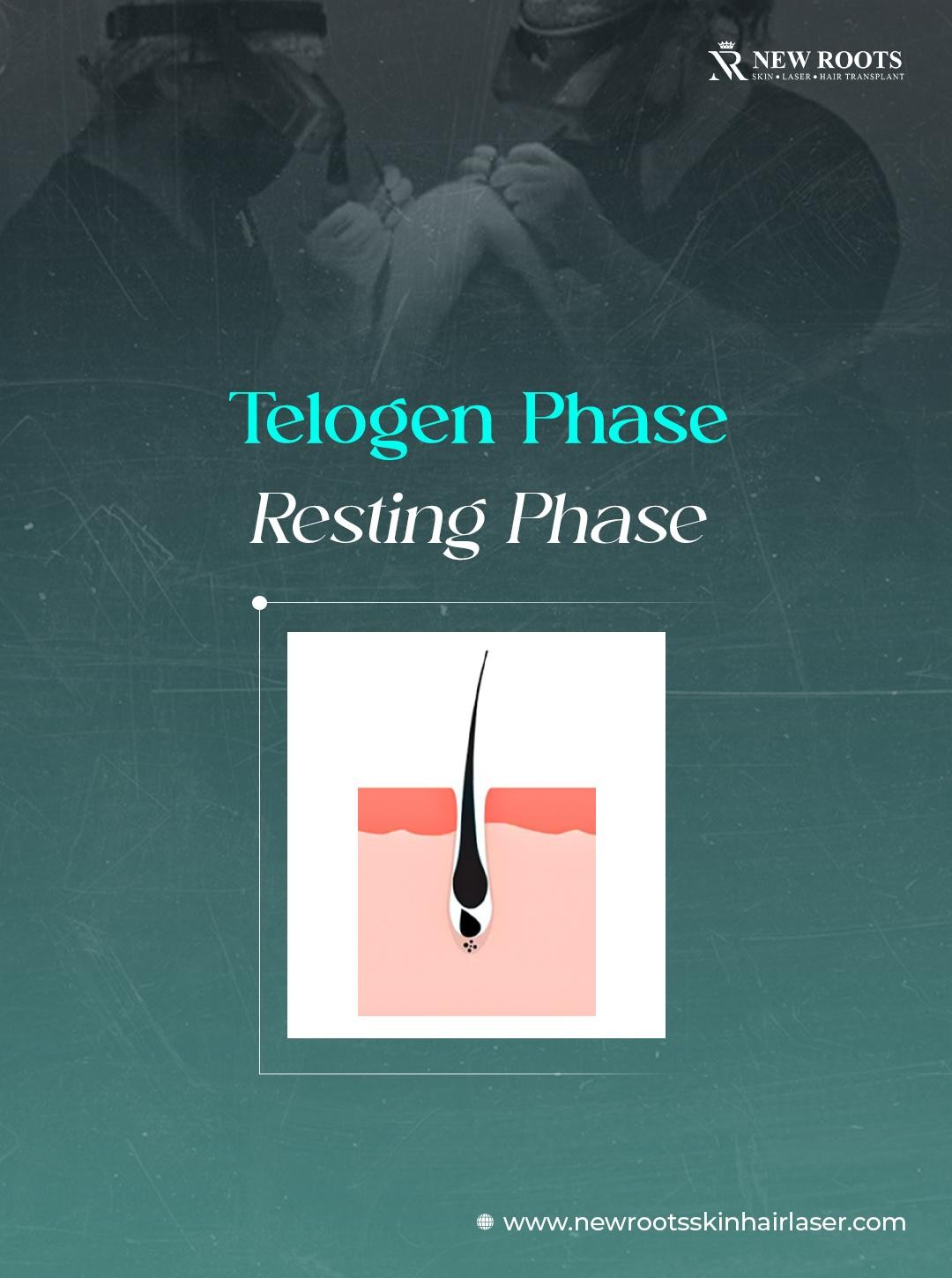
Telogen Phase
In this downtime stage the hair eventually lets go, or sheds, and after that a fresh hair starts growing again from the same follicle.
If anything disrupts this cycle, it can end up causing extra or excessive hair loss, more than you would expect.
Common Causes of Hair Loss
Figuring out why hair loss happens kind of helps, in a way, choose the treatment method that is the most appropriate for you.
Genetics
Genetics is one of those most common culprits behind hair loss, especially for men.
Hereditary hair loss usually starts slowly, sort of stealthy, and it tends to follow familiar patterns.
For men, this typically involves:
- Receding hairline
- Thinning crown
- Progressive baldness
Genetic hair loss is often referred to as male pattern baldness.
Hormonal Changes
Hormonal fluctuations can significantly affect hair growth.
Common triggers include:
- Thyroid disorders
- Hormonal imbalances
- Aging-related hormonal changes
Hormone level changes can trigger a sort of temporary or, also sometimes, longer term hair thinning , which is not rare.
Stress
Physical and emotional stress may trigger excessive shedding.
Examples include:
- Serious illness
- Surgery
- Emotional trauma
- Major life changes
Stress-related hair loss is often temporary and improves once the triggering factor is addressed.
Nutritional Deficiencies
Healthy hair growth requires adequate nutrition.
Deficiencies in nutrients such as:
- Iron
- Zinc
- Protein
- Vitamin D
- Vitamin B12
can contribute to thinning hair and excessive shedding.
Medical Conditions
Several medical conditions may lead to hair loss.
Examples include:
- Thyroid disease
- Autoimmune disorders
- Scalp infections
- Chronic illnesses
Identifying and treating the underlying condition is often essential for improving hair growth.
Certain Medications
Some medications can cause hair loss as a side effect.
Examples include treatments used for:
- High blood pressure
- Depression
- Cancer
- Hormonal conditions
Patients should consult healthcare professionals before making medication changes.
Hair Loss Reasons Male: Why Men Experience Hair Loss
Figure out why hair loss happens to male patients, and how often it actually comes up, is kinda crucial because guys are especially sensitive to hereditary hair thinning.
Male pattern baldness occurs when hair follicles get genetically responsive to a hormone called dihydrotestosterone, or DHT.
Over time, DHT causes:
- Follicle miniaturization
- Thinner hair growth
- Shorter growth cycles
- Progressive hair loss
This condition affects a large percentage of men and often becomes more noticeable with age.
Other contributing factors include:
- Stress
- Poor nutrition
- Smoking
- Certain medical conditions
Hair Loss Men: Common Patterns
Men who experience hair loss often show kind of recognizable patterns, even if it happens in different ways.
Receding hairline
The hairline slowly slides back, and you end up with that M shape look.
Crown thinning
The hair starts feeling lighter, and strands get thinner around the crown, or the vertex zone.
Advanced baldness
At later stages, hair loss keeps going until bigger chunks of the scalp show through.
Spotting it early, in this kind of way, can improve how well treatments work.
Hair Loss Treatment Options
Lately, the modern way people treat hair loss options kinda depends on why it happens and how intense it is , so everything changes a bit.
Medications
A few medications are usually used to slow down hair loss and help with that, like promoting more growth over time, in a kind of subtle way.
These treatments may help:
- Preserve existing hair
- Improve hair thickness
- Slow progression of thinning
Patients should use medications only under professional guidance.
Hair Transplant Surgery
For individuals with advanced hair loss, hair transplantation may provide a permanent solution.
The procedure involves:
- Extracting healthy follicles
- Transplanting them into thinning areas
- Restoring natural-looking hair growth
Modern FUE procedures are kind of extra popular lately , mostly because they leave little scarring and give results that look really natural , not just “hairy” in one way or another.
Low-Level Laser Therapy
Laser based treatments can nudge the follicle into more activity, so hair growth may be supported, in a subset of patients. Outcomes are not the same for everyone, they depend on individual circumstances in a pretty specific way.
Platelet-Rich Plasma (PRP)
PRP therapy is basically about using concentrated growth factors that come from the patient’s own blood, so it feels kind of like your body is giving the signals back.
It uses these collected, enriched substances derived from their blood stream and then applies them where they’re needed, for recovery and some tissue kind of support.
The treatment aims to:
- Stimulate follicles
- Improve hair quality
- Support healthier growth
PRP is often used alongside other treatment methods.
Is There a Hair Loss Cure?
A lot of people look around for some kind of permanent hair loss cure. But honestly, the results they get are pretty dependent on what’s really going on underneath, and yeah that part matters.
There are also types of hair shedding that are temporary and kinda reversible, even if it doesn’t feel like it at first.
Examples include:
- Nutritional deficiencies
- Stress-related shedding
- Certain medical conditions
However, genetic hair loss cannot currently be completely cured.
Instead, available treatments focus on:
- Slowing progression
- Preserving existing hair
- Improving density
- Restoring appearance
Hair transplantation still remains one of the most effective, long-term answers for advanced hereditary hair loss you know. It’s sort of the go to option, when people are dealing with that progressive thinning.
Natural Remedies for Hair Loss
A lot of people like to try natural methods along with medical treatment, just kind of hedging their bets a bit. Natural remedies probably can not really undo severe baldness, but they may help bolster the general hair well being and keep the scalp calm.
Balanced Diet
Healthy hair requires proper nutrition.
A diet rich in:
- Lean proteins
- Fruits
- Vegetables
- Healthy fats
- Whole grains
Can support stronger hair growth.
Scalp Massage
Regular scalp massages can aid blood circulation towards hair follicles, which in turn sort of helps. When the flow is better, scalp conditions may become more healthy overall, and it’s like the roots get more support.
Stress Management
Since stress contributes to hair shedding, relaxation techniques may be beneficial.
Examples include:
- Meditation
- Yoga
- Regular exercise
- Adequate sleep
Proper Hair Care
Gentle hair care practice helps to cut down on that extra breakage, like you know, the kind that happens for no real reason.
Avoid:
- Excessive heat styling
- Harsh chemical treatments
- Aggressive brushing
Healthy hair habits support stronger growth.
Lifestyle Habits That Affect Hair Health
Daily lifestyle choices can end up messing with hair growth and hair loss in a pretty meaningful way. Sure, genetics and medical issues play a role, but a bunch of everyday habits might act like a quiet helper for healthier strands or quietly nudge things toward thinning and a heavier shed, little by little, over time.
Smoking
Smoking can lower blood circulation across the whole body, and that includes the scalp too. When circulation is poor, oxygen plus key nutrients might not reach hair follicles as well. Then follicles may struggle to stay vigorous and produce thicker, healthier growth.
Poor Sleep
Not getting enough sleep can throw off hormonal balance and also raise stress. Because hormones and stress both steer the hair growth cycle, weak sleep can lead to more shedding, and hair that grows back less strong, or just not as steadily.
Dehydration
Staying properly hydrated is, like, essential for your general well-being, and yes it also links to scalp health. When dehydration happens it can mess with your scalp condition and sometimes your hair looks dry and brittle, almost more lifeless than it should.
Unhealthy diet
If your eating pattern misses key nutrients such as protein, iron, vitamins, and minerals, the hair follicles can get weaker, and hair shedding may increase. Keeping up healthy lifestyle habits tends to support sturdier hair growth and overall better feeling in your body too, so your scalp benefits indirectly.
Preventing Hair Loss
Even though you can’t always block every kind of hair loss entirely, there are habits and proactive steps that may lessen excessive shedding and help keep your hair healthier over the long run. Acting sooner is often the smartest move for supporting ongoing growth.
Focus on Good Nutrition
Eating a well-rounded diet full of protein, assorted vitamins, minerals, and beneficial fats gives hair follicles what they need to keep working properly. When something is missing nutritionally, hair can become weaker, and over time that may show up as more shedding than usual.
Handle Medical Issues Early
Some underlying problems , like thyroid problems , hormonal shifts, or low nutrient levels, can influence how hair grows. Getting timely medical care for these concerns may reduce the chance of things getting worse and can also support overall hair well-being.
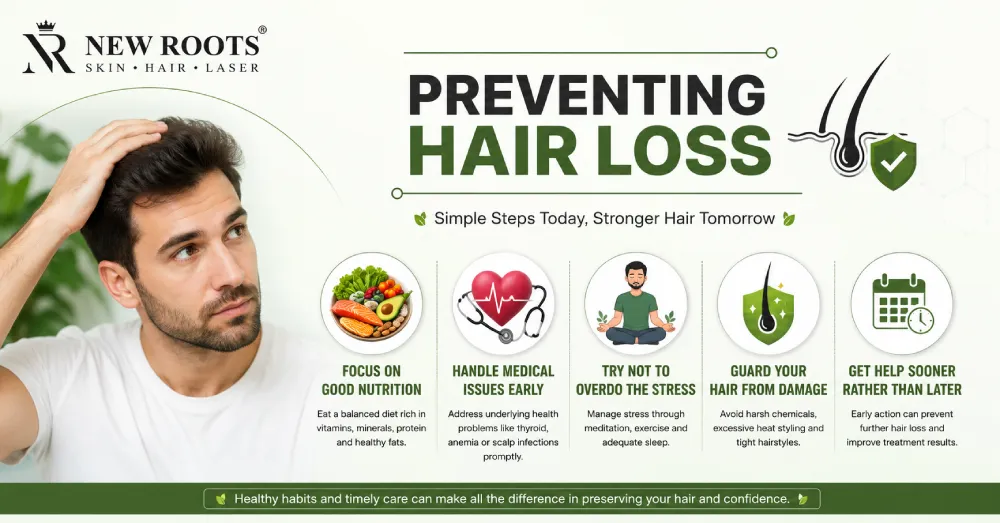
Try Not To Overdo The Stress
When stress hangs around for a long time, it can mess with the usual hair growth pattern and lead to more shedding. Addressing that constant pressure, like with movement or some gentle relaxation methods , plus getting enough sleep, may help encourage a healthier growth back rhythm.
Guard Your Hair From Damage
Using kinder hair routines can lower snapping, and in turn, reduce preventable hair loss. Skipping too much heat from styling, staying away from strong chemical treatments, and brushing in a less rough way can help keep your hair firmer, with better overall texture and quality.
Get Help Sooner Rather Than Later
Starting early can often mean better results. Figuring out the underlying reason for hair loss, then beginning the right treatment fairly promptly, can help slow the situation down and support stronger long term outcomes.
Hair Loss in Bangladesh
In Bangladesh, there are a few factors involved with hair loss concerns, like stress, day to day environmental conditions, nutritional gaps, and genetic predisposition too. It can get kinda complicated, because more than one element may be happening at once.
As people become more aware, a larger number of individuals start looking for professional evaluations and evidence-based therapies. When you consult qualified healthcare professionals, they can help you figure out what is actually driving the hair thinning, and then suggest an appropriate plan.
Whether you are aiming for prevention, therapy, or regrowth, knowing the root cause is the crucial first step .
Conclusion
Hair loss is pretty common, and it can happen to people of all ages and different backgrounds. Usually genetics are one of the main reasons, but there are also other things involved—like stress , nutrition gaps, shifts in hormones, and certain medical issues that can lead to thinning strands and even more shedding than normal.
If someone wants to pick the most effective treatment, they really need to understand what’s driving the hair loss in the first place.
There are now modern options, such as meds , PRP therapy and hair transplant work, which can help increase hair density and bring back that sense of confidence.
Still, there isn’t one single universal hair loss cure, but a lot of people see clear improvements when they start early and manage the situation the right way.
In the end, pairing professional care with healthy everyday routines and a few supportive natural remedies tends to give the best longer-term results , especially when it’s done consistently.
Hair transplant recovery stages happen kind of slowly, over a few months, and when patients get the idea of each part, it’s easier to keep those expectations…more realistic during the whole healing time.
Stage 1: Right after surgery recovery
The very first recovery stage starts right after the procedure, and it usually covers the first several days. In this window, mild redness, puffy swelling, and little crusts can show up around the transplanted grafts.
These things are pretty normal in the healing rhythm and they tend to calm down fast when patients follow good aftercare, plus any prescribed meds
Stage 2: Shedding time
Between about week two and week six, a lot of the transplanted hairs begin to shed. This pause in growth is temporary, and it’s normal, so it really shouldn’t be taken as transplant failure. Under the surface, the hair roots are still healthy, they stay in place and they ready themselves for the next growing phase.
Stage 3: Early Growth
Around the second to fourth month, new hairs start coming out of the transplanted follicles. At first, it can look kinda thin and not perfectly even, but over time density tends to pick up, once the follicles become more active, and you notice that change little by little.
Stage 4: Maturation
From about six to eighteen months after the surgery, the transplanted hair keeps developing and settling in.
The hair usually turns thicker, feels stronger , and looks more natural. For most people, this is when the “final” look starts showing up, meaning better density, improved texture, and wider overall scalp coverage.
Knowing these healing phases can make it easier to stay patient during recovery and not panic over small variations while waiting for full results.
Frequently Asked Questions (FAQs)
Most often it’s genetics, like male pattern baldness in particular. Also hormonal shifts , stress, missing nutrients, and certain medical issues can play a role too, though less directly.
In some situations yes, especially when the hair shedding is tied to stress, poor nutrition, or a temporary health problem. Once the main cause is fixed , the hair may improve on its own, kind of slowly but gradually.
It really depends on the cause. People might use medications, consider PRP therapy, improve daily habits, or in more advanced cases go for a hair transplantation. There isn’t one single “best” approach for everyone.
Not a single cure that covers every type of hair loss. Still, hair transplantation can be a long-term option for the right person with inherited hair loss, especially if the pattern is predictable.
You should see a specialist if the hair loss seems excessive, starts suddenly, shows up as bald patches, or keeps getting worse even after lifestyle adjustments and basic hair care efforts.
Archives
- August 2026 (1)
- July 2026 (8)
- June 2026 (7)
- May 2026 (10)
- March 2023 (1)
- November 2022 (1)
- October 2022 (2)
- August 2022 (3)
- July 2022 (4)