

- New Roots
Hair Transplant Eligibility: Best Age, Hair Type & Key Factors in Bangladesh
Table of Contents
Genetic factors together with stress, environmental pollution and hormonal imbalances and poor lifestyle choices are increasing hair loss problems for both men and women in Bangladesh.
As cosmetic treatments become more popular, many people are considering hair transplantation to restore natural hair growth and confidence.
Surgical procedures do not suit all people because of their unique characteristics.
The best age for hair transplant together with donor hair quality and scalp condition and hair type and overall health status needs to be evaluated for determining eligibility and predicting long-term success.
What Is a Hair Transplant?
A hair transplant is a cosmetic surgical procedure which extracts healthy hair follicles from the donor area of the scalp and implants them into areas with baldness or hair thinning. The transplanted follicles continue to grow through their natural growth cycle after the procedure.
The present-day hair transplant techniques encompass these two systems:
FUT (Follicular Unit Transplantation)
The procedure requires the extraction of a scalp strip from the donor site which the medical team will process to obtain separate follicular units for transplantation.
FUE (Follicular Unit Extraction)
FUE is a minimally invasive technique which enables the direct extraction of individual hair follicles from the scalp for transplantation into areas with hair thinning.
FUE stands as the leading choice for hair restoration procedures within Bangladesh because it delivers high-speed recovery times together with minimal scarring and natural appearance of results.
Why Eligibility Matters for Hair Transplant
Hair transplantation is not simply about filling bald areas. The procedure requires proper candidate selection to achieve natural results which remain permanent through time.
The practice of conducting early transplants on incorrect patients results in two different problems which include artificial-looking hairlines and ongoing hair loss.
Doctors carefully evaluate:
- Age
- Hair loss pattern
- Donor hair availability
- Hair texture
- Scalp health
- Medical history
- Lifestyle habits
The understanding of these factors enables us to evaluate a person’s suitability for surgical procedures.
Best Age for Hair Transplant
The ideal time for hair transplantation according to experts exists between the mid-20s and the early 40s according to their evaluation of different age groups.
Hair Transplant Before Age 25
Many young adults begin experiencing hair loss in their late teens or early twenties. People should avoid immediate surgery for hair transplantation because early surgical intervention does not suit their needs.
At a young age:
- Hair loss patterns show unstable behavior
- Baldness progression follows an uncertain path
- Existing hair will continue to thin at an increased rate
- Future operations will become necessary at a later time
Doctors in Bangladesh usually advise younger patients to first stabilize hair loss using medications before considering surgery.
Best Age for Hair Transplant: 25 to 40 Years
People between these ages show the highest success rates for hair transplants because they develop more consistent hair loss patterns.
The advantages of this time period include:
- Better donor hair quality
- More stable hairline design
- Reduced risk of future uneven baldness
- Better healing capacity
- Natural long-term results
Most successful hair transplant patients fall within this age group.
Hair Transplant After 40
People over 40 can still achieve excellent results if they have healthy donor hair and good scalp condition. Older people usually lose hair at a steadier rate which makes it easier for doctors to create surgical plans.
However, doctors may evaluate:
- Overall health condition
- Diabetes or blood pressure issues
- Smoking habits
- Hair density
- Scalp elasticity
Age alone does not disqualify someone from hair transplantation.
Hair Type and Hair Transplant Success
The final results of a hair transplant procedure depend on the specific hair type that the person has. The different hair types and their unique characteristics determine how much hair will cover an area and how dense the hair will appear and how natural the results will seem.
Thick Hair
Thick-haired people typically achieve more complete results because their wider hair strands create better coverage of their heads.
Curly Hair
The curly and wavy hair pattern creates an optical illusion which makes the transplanted regions appear to have more volume.
Straight Hair
The amount of grafts needed to achieve full coverage with straight hair exceeds the requirements for curly hair.
Fine Hair
Transplantation is possible for people with fine hair although their overall hair density will appear less dense.
Hair Color and Scalp Contrast
The natural appearance of a person depends on their hair color. Natural appearances result from lower contrast between hair color and scalp color.
For example:
- Light scalp tones with dark hair colors make it easier to see thinning hair
- When hair and scalp colors match closely together it creates an illusion of greater hair thickness.
Hair Transplant for Thinning Hair
Hair transplant for thinning hair has become increasingly common in Bangladesh. Many individuals seek treatment before complete baldness occurs.
Transplantation can benefit people who experience thinning hair when these conditions are met:
- Hair loss remains constant
- The donor hair shows good condition
- The existing hair maintains its strength
- The scalp condition meets medical requirements
Early intervention can help improve density and prevent larger bald areas in the future.
The doctors need to protect existing hair during surgery because any mistakes will result in damage to nearby hair follicles.
Donor Hair Quality
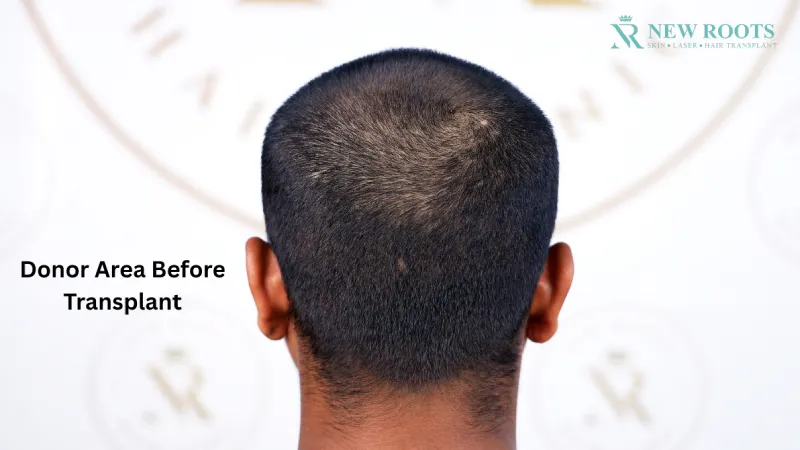
The donor area is one of the most important factors in hair transplantation. Strong donor hair determines how much coverage and density can be achieved.
Good donor areas usually have:
- Thick hair density
- Healthy follicles
- Stable growth patterns
- Minimal miniaturization
The people who have weak donor areas will face restrictions about their ability to undergo hair transplantation procedures. The back and sides of the scalp are typically used because these hairs are genetically resistant to balding.
Hair Loss Pattern
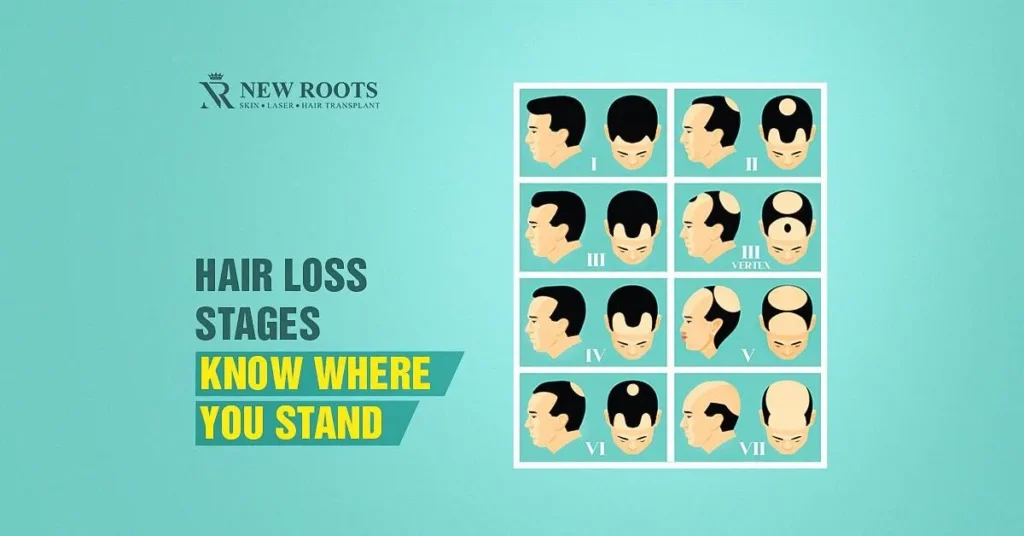
Dermatologists develop treatment strategies based on the appearance of hair loss which progresses throughout time. Doctors use classifications such as the Norwood Scale for men and the Ludwig Scale for women to evaluate baldness severity.
Surgeons use stable hair loss patterns to:
- Create hairlines which appear natural
- Predict how baldness will advance in the future
- Determine the proper distribution of hair grafts
The condition of extreme hair loss which occurs without warning needs medical intervention during surgical operations.
Best Hairline for Hair Transplant
The process of developing the best hairline design for hair transplant procedures represents a critical step toward achieving realistic outcomes.
A successful hairline should:
- Match facial structure
- Suit the patient’s age
- Look natural from different angles
- Maintain long-term appearance
An excessively low or artificial hairline may appear unnatural as the patient ages. The experienced surgeons in Bangladesh create hairlines with a mature appearance because this design choice helps maintain aesthetic balance throughout time
Scalp Condition and Health
A healthy scalp condition forms the fundamental requirement for successful hair transplantation which secures the survival of hair grafts.
Doctors conduct a comprehensive assessment of the scalp condition before they start the treatment process to confirm its suitability for promoting healthy recovery and permanent hair growth. The assessment process examines multiple crucial elements.
The assessment process examines three critical components which include the ability of the scalp to move normally and the current state of skin health and the blood flow and the existing scars and both active infections and inflammation.
A healthy scalp improves graft survival and reduces the risk of complications after surgery. Medical treatment becomes necessary for severe dermatitis and psoriasis and dandruff infections and scalp irritation before patients can proceed with transplantation.
The combination of proper scalp care and medical evaluation leads to better healing outcomes and greater patient comfort and improved results from the transplant procedure.
Medical Conditions Affecting Eligibility
Medical conditions which determine treatment eligibility also determine treatment success rates for hair transplants.
Doctors perform health evaluations on patients to determine their medical condition before surgical procedures which helps them reduce surgical risks and enhance post-surgery recovery.
The medical evaluation process establishes safe conditions for transplantation while delivering better results throughout the patient journey.
Diabetes
Surgery becomes possible for patients who maintain controlled diabetes yet uncontrolled diabetes results in slower recovery times and higher infection rates after transplantation.
High Blood Pressure
Patients with stable blood pressure can generally undergo hair transplantation safely under medical supervision.
Autoimmune Diseases
Some autoimmune conditions which damage hair follicles lead to reduced graft survival rates and diminished success rates for hair transplant procedures.
Smoking and Alcohol
Smoking creates blood circulation problems which affect the healing process and decrease the chances of successful graft survival. Excessive alcohol consumption may also slow recovery.
Many clinics advise people to stop smoking and reduce alcohol intake before and after their surgical procedures because these actions lead to better surgical outcomes.
Emotional Readiness and Expectations
Psychological readiness holds equal importance to the assessment of psychological readiness. Patients need to understand the following realistic outcomes for their treatment:
- Hair density
- Recovery timeline
- Final appearance
- Number of sessions required
Hair transplantation improves appearance but does not achieve complete restoration of teenage hair density.
People who expect results that exceed actual capabilities will experience disappointment with their procedures which doctors consider successful.
Recovery and Healing Factors
The ability of a patient to recover from their condition determines their eligibility for treatment.
Healthy individuals generally experience:
- Faster recovery
- Better graft survival
- Reduced complications
- Improved long-term results
Successful healing requires patients to follow all post-operative instructions.
The standard patient instructions include these activities which they should avoid:
- Scalp scratching needs to be avoided
- Patients need to refrain from smoking
- Patients need to follow medication guidelines
- Patients need to shield their scalp from sun exposure
- Patients need to avoid strenuous activities for a limited time period
Best Place for Hair Transplant in Bangladesh
The selection of an optimal hair transplant location works as a vital process that ensures both patient safety and surgical success. The number of hair restoration clinics in Bangladesh has experienced significant expansion throughout its primary urban centers.
When patients select their clinics they need to evaluate these factors:
- Surgeon experience
- Clinic reputation
- Sterility standards
- Technology used
- Before-and-after results
- Patient reviews
- Consultation quality
The selection of qualified professionals establishes a direct connection between decreased complication risks and enhancement of natural appearance outcomes.
Cost Considerations in Bangladesh
The expenses for hair transplant procedures in Bangladesh depend on multiple factors which include:
- Number of grafts
- Technique used
- Surgeon expertise
- Clinic facilities
- Hair loss severity
FUE procedures generate higher expenses than FUT procedures because FUE demands more accurate work and extended duration for its execution.
The selection of clinics according to low prices results in higher chances of experiencing bad results which makes cost a significant factor in choosing clinics.
Can Women Get Hair Transplants?
Women who meet the criteria requirements can receive hair transplantation benefits. The suitability of women for the procedure depends on their eligibility to receive treatment.
The testing criteria require that women demonstrate:
- Localized thinning
- Stable hair loss
- Healthy donor hair
- No severe diffuse thinning
The hair restoration process for women requires special treatment because their hair loss patterns are different from those of men.
Long-Term Results of Hair Transplant
Hair transplantation through suitable candidates shows a natural outcome which lasts permanently.
The transplanted hair follicles will:
- The hair follicles grow at their natural rate
- The hair follicles maintain their position against future hair loss
- The hair follicles match the appearance of nearby hair
- The hair follicles need very little care
Non-transplanted hair will keep thinning because of aging. Patients will require extra treatment sessions to achieve density maintenance.
The achievement of lasting results depends on:
- The process of selecting appropriate candidates
- The skill level of the surgeon
- The patient care following the surgical procedure
- The way people live their everyday lives
- The presence of consistent hair loss patterns throughout the process.
Conclusion
The decision to undergo hair restoration treatment in Bangladesh requires knowledge about optimal hair transplant age and other eligibility requirements.
Hair transplantation achieves natural results which last permanent when it receives adequate planning and possesses healthy donor hair and consistent hair loss patterns.
The best age for hair transplant is generally between the mid-20s and early 40s. The final result depends on three factors which include hair type and scalp condition and overall health.
The procedure results better when people select experienced professionals who enhance safety and appearance and their long-term contentment.
Frequently Asked Questions (FAQs)
The best age for hair transplant is usually between 25 and 40 years. The time frame establishes permanent hair loss patterns which assist medical professionals in developing results that look authentic and endure over time.
Thinning hair patients can achieve better hair volume through hair transplantation when their donor site remains intact and their hair loss situation stays constant. Treating hair loss at an early stage enables patients to avoid developing extensive bald patches.
Thick, curly, or wavy hair provides better coverage which results in fuller-looking outcomes. People with straight or fine hair can achieve natural appearances when they execute proper planning.
Doctors develop the optimal hairline design for hair transplant procedures through their assessment of facial characteristics and the patient’s age and existing hair density and projected future hair loss patterns which will lead to authentic outcomes.
The process of selecting a hair transplant clinic in Bangladesh requires you to evaluate surgical experts who use modern equipment and have strong patient feedback and maintain sanitary conditions and produce authentic before and after treatment images.
Archives
- August 2026 (1)
- July 2026 (8)
- June 2026 (7)
- May 2026 (10)
- March 2023 (1)
- November 2022 (1)
- October 2022 (2)
- August 2022 (3)
- July 2022 (4)